Songs Written in Empty Rooms: The British Gigs That Never Were
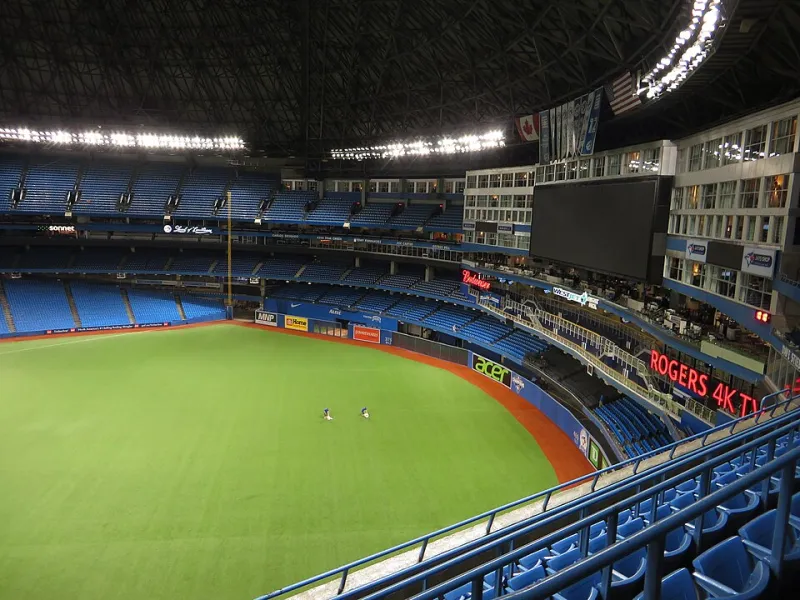
Photo: Ken Lund from Reno, Nevada, USA, CC BY-SA 2.0, via Wikimedia Commons
There's a particular kind of grief that music people rarely talk about publicly. It's not the grief of a bad review or a failed record deal. It's quieter than that, and stranger. It's the grief of the gig that was supposed to happen — the one you'd been rehearsing for, thinking about, half-living inside — and then simply didn't.
Cancellations happen for all sorts of reasons. Illness. Flooding. A promoter who turned out not to be quite as solvent as advertised. And then, of course, there was the particular mass cancellation of 2020, when the entire live music industry stopped almost overnight and artists across the UK sat looking at tour schedules that had become, suddenly, fiction.
What's surprising — and in some ways genuinely moving — is how many of those phantom gigs ended up inside songs.
The Ghost in the Setlist
Ask British songwriters about their process and you'll hear a lot about observation, memory, and emotional truth. What you hear less about is absence — the specific creative pressure of something that was supposed to happen and didn't. But it's there, woven through more contemporary British music than most people realise.
The psychology of it makes a kind of sense. A cancelled show isn't just a logistical inconvenience. For many artists, particularly those at the grassroots level, a gig represents months of preparation, weeks of anticipation, and a specific imagined version of the future. When that future doesn't materialise, you're left holding all of that energy with nowhere to put it. Writing becomes the obvious container.
One songwriter from the North East described it like this: "I'd been imagining that show for so long that when it was cancelled, the show already existed in my head. I'd played it a hundred times in there. So I wrote it down instead. The song that came out of that is probably the best thing I've made."
What Lockdown Taught Us About Loss
The pandemic years produced a particular vintage of this phenomenon. Across the UK, artists had tours booked, festivals confirmed, support slots arranged — entire career chapters that were supposed to happen. When they didn't, the creative response was remarkable in its variety.
Some artists made music that was explicitly about the experience: the empty stage, the silent venue, the strange suspended feeling of a world that had pressed pause. Others processed it more obliquely, writing songs that didn't mention any of it directly but carried the weight of that specific moment everywhere.
What emerged, in a lot of cases, was music that felt more interior, more ruminative, more willing to sit with difficult feelings rather than resolve them tidily. The enforced stillness produced a different kind of attention. Without the forward momentum of touring and performing, artists were left alone with the question of what they actually wanted to say.
For some, the answer surprised them.
The Venues That Aren't There Anymore
And then there's the other layer to this: the venues themselves. Britain has lost an alarming number of grassroots music spaces over the past decade — a combination of rising rents, noise complaints from new residential developments, and the financial pressures that were only accelerated by the pandemic. Beloved rooms that hosted decades of first gigs and formative nights simply closed, often with very little notice.
Artists who'd played those venues, or who'd been booked to play them before they shut, carry those rooms with them. There's a pub in South London that closed in 2019 that has been referenced — obliquely, without being named — in at least a handful of songs by artists who played there regularly. Not as an act of nostalgia, exactly. More as a reckoning with impermanence.
"You play a room enough times and it becomes part of your geography," one London-based performer told me. "When it goes, it's like a street you grew up on getting demolished. You don't stop knowing where it was."
Resilience as Raw Material
What strikes me most about this particular creative phenomenon is what it says about the nature of resilience in British music. The instinct, when something is taken away, to make something from that absence — to treat the gap itself as material — is quietly extraordinary.
It's not glamorous. It doesn't make for a particularly tidy press release. There's no triumphant narrative of overcoming, just the patient, slightly stubborn work of turning disappointment into something that might mean something to someone else.
But that's the job, isn't it? The show that never happened becomes the song that does. The empty venue becomes a lyric. The cancelled tour becomes an album that wouldn't have existed if everything had gone to plan.
The Imagined Audience
There's one more thing worth sitting with here. When an artist imagines a gig that never happened — when they write about it, or from inside it — they're also imagining an audience. They're writing for the people who would have been in that room.
There's something generous about that. Something that says: even when we couldn't be in the same place at the same time, I was thinking about you. I was writing for the version of this that should have happened.
In post-pandemic Britain, where the relationship between artists and audiences was tested and reshaped in ways we're still working out, that feels like it matters. The gig that didn't happen still created a connection. It just took a slightly different route to get there.
Sometimes the cancelled show is the one that leaves the longest mark.