Before the Headliner: The UK Support Acts Audiences Are Coming Back For
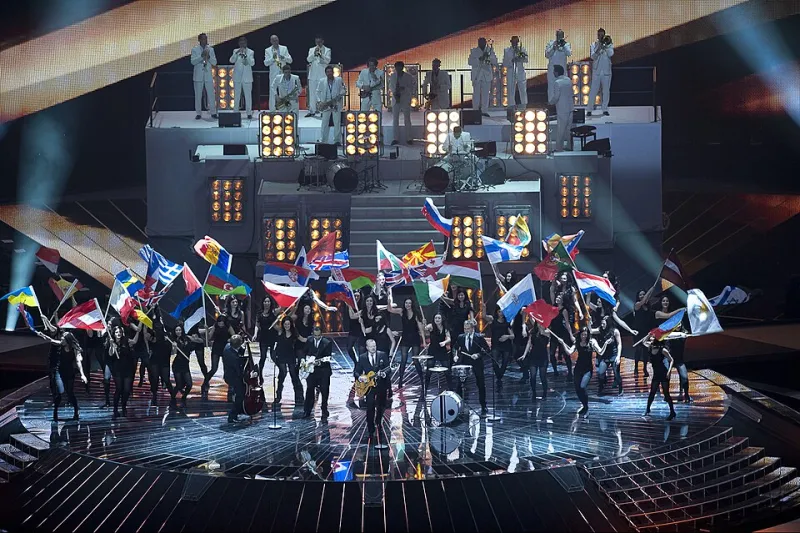
Photo: Frédéric de Villamil from Paris, France, CC BY-SA 2.0, via Wikimedia Commons
Ask anyone who's worked the doors at a mid-sized UK venue about support acts and you'll get a very particular expression. A slight wince. A knowing exhale. Because for most of live music's history, the opening slot has been a study in thanklessness — playing to a half-empty room, a chatty bar queue, and an audience whose body language communicates, quite clearly, that they are here for someone else.
But something has been quietly shifting. Walk into certain shows now and you'll notice people arriving early not despite the support act, but because of them. Queuing before doors. Posting about the opener on socials before the headliner has even done their soundcheck. Leaving with the support act's EP in their bag and the headliner a pleasant afterthought.
The old hierarchy is wobbling. And for British live music, that's genuinely fascinating.
The TikTok Warm-Up
The mechanism behind this shift isn't hard to identify. Social media — TikTok in particular, but also Instagram Reels and YouTube Shorts — has given emerging artists a way to build audiences that have no relationship with the traditional touring ladder. You don't need to have supported anyone famous to have thirty thousand people who know your songs. You just need one video to land at the right moment.
This creates an interesting situation when those artists do start playing live. They arrive at the support slot not as unknowns hoping for a slice of someone else's audience, but with their own followers who will actively seek out tickets specifically to see them in a small room before they inevitably outgrow it.
There's a particular kind of excitement attached to that. The feeling of seeing someone at the Brudenell Social Club in Leeds or the Hare and Hounds in Birmingham before they're playing the Roundhouse. The bragging rights of the early adopter. British music audiences have always loved that feeling, but social media has made it more accessible and more immediate than ever before.
When the Crowd Turns Early
The stories are becoming almost commonplace among those paying attention to the grassroots circuit. A support act takes the stage to a politely attentive audience and within three songs has turned the room completely. People who came for the headliner are now standing close to the front, phones out, singing along to words they've clearly been listening to for months.
For the headliner, this creates a genuinely tricky dynamic. A room that has already peaked emotionally before you've played a note requires a different kind of navigation. The best headliners take it in their stride — some have even started being more thoughtful about who they take out on the road, recognising that a genuinely compelling support act raises the energy of the whole evening.
Others, frankly, find it uncomfortable. Which is understandable. Nobody books a tour expecting to be outshone before they've walked on.
Building a Room from the Bottom
What's particularly interesting about the support acts making this kind of impact is how they're doing it. The ones who consistently turn rooms aren't necessarily the most technically accomplished or the most polished. They tend to share a different quality: genuine presence.
Presence is one of those words that gets thrown around a lot in live music, but it's worth being specific about what it means in practice. It's the sense that the person on stage is actually there — that they're not running through a performance they've done a hundred times before, but responding to the specific energy of this room, on this night, with this audience. It's the difference between watching someone perform and watching someone connect.
For a support act with a devoted following in the room, that connection already exists before a note is played. The work is in making sure everyone else in the venue feels it too — and the artists doing this well are finding ways to bring the whole room in, not just their existing fans.
The Promoter's Dilemma
All of this is creating some interesting headaches for promoters and booking agents. The traditional support act deal — lower fee, shorter set, no soundcheck guarantee — was designed for a world where the opener was genuinely secondary. That world is becoming harder to maintain with a straight face when the support act has more Instagram followers than the headliner and their fans are accounting for a meaningful chunk of ticket sales.
Some promoters are adapting. Better billing arrangements, more equitable production access, support acts being featured more prominently in venue marketing. Others are slower to catch up. The artists navigating this most effectively tend to be those with strong management who understand the leverage that a genuine fanbase provides, even at an early stage.
There's also the question of what happens next. The support act who outgrows the opening slot has a decision to make: move up the bill with the same promoters and venues, or jump a level and risk the growing pains that come with playing rooms you're not quite ready for. The ones getting it right are moving carefully, keeping their audiences close, and not letting the momentum of early success push them somewhere they haven't earned yet.
What It Says About British Gig Culture
Zoom out a little and this feels like part of a broader rebalancing in British live music. Audiences are more active participants than they used to be — more willing to do their own research, follow their own instincts, and show up for something before the consensus has formed around it.
The support act who earns a room before the headliner arrives isn't just a good story. They're evidence that the gatekeeping function of the traditional music industry — the idea that credibility flows downward from established names — has genuinely weakened. Audiences are making their own calls.
For emerging British artists willing to put in the work and build something real, that's not a threat. It's the best possible news.