Ritual Before the Roar: Inside the Hour That Decides Everything About a British Gig
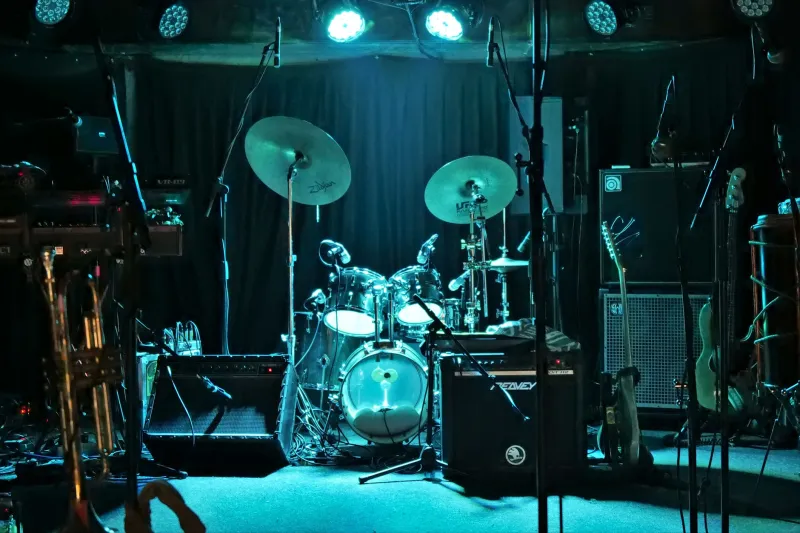
There's a particular kind of silence that exists in a venue before the doors open. The sticky floors, the half-stacked chairs, the smell of last night's beer still clinging to the walls. It's not quite peaceful, not quite tense. It's waiting. And somewhere in the middle of that waiting — usually in a chaotic, under-appreciated window of about sixty minutes — something happens that will shape everything the audience experiences later. The soundcheck. Unglamorous, often stressful, occasionally brilliant. And almost always underestimated.
For anyone who's spent time around the British live circuit, the soundcheck is a familiar creature. It's the guitarist going 'can I get a bit more of me in the monitor?' for the fourth time. It's the engineer nursing a cold brew, nudging a frequency here and pulling one there. It's the frontperson standing alone on stage, talking to a half-empty room, trying to feel something they won't actually feel until there are two hundred bodies pressing against the barrier. It's mundane. It's essential. And for a surprising number of artists, it's quietly sacred.
More Than Just Levels
Ask any seasoned touring musician about their soundcheck approach and you'll get wildly different answers. Some treat it as pure technical administration — get the levels right, check the monitors, get off stage and eat something. Others use it as a warm-up ritual, a way of inhabiting the space before the space fills up and starts pushing back. And then there's a third camp, the ones who'll tell you with absolute conviction that the soundcheck is where the actual gig begins.
Venue engineers across the UK will back that last group up. The hour before doors is when they're reading the room — and reading the band. A group that comes in focused, communicates clearly, and treats the process as collaborative tends to produce a show that feels alive from the first chord. A group that's distracted, argumentative, or simply going through the motions? You can hear it later. Not always dramatically, but it's there in the small things. A monitor mix that never quite sits right. A vocal that sounds slightly uncertain. A drummer who's been quietly seething since the line check.
Venues from the Barrowland Ballroom in Glasgow to the Rescue Rooms in Nottingham have their own acoustic personalities, and experienced engineers will tell you that the soundcheck is the only chance anyone gets to have a proper conversation with the room. Every stage sounds different empty versus full. Every PA system has its quirks. Every band has a different frequency picture. The soundcheck is where all those variables get negotiated.
The Mental Game
Beyond the technical, there's a psychological dimension to the soundcheck that doesn't get talked about enough. For performers carrying any kind of pre-show anxiety — and that's most of them, whatever they tell you — the soundcheck can either ease the nerves or sharpen them to a point.
There's something grounding about standing on a stage in the daylight hours, running through a verse of something familiar, hearing it come back through the monitors. It makes the abstract real. The room stops being a hypothetical crowd and becomes a physical space you've already stood in, already made sound in. Some artists deliberately play a section of a song they're nervous about, not to rehearse it into the ground, but just to hear it exist in the room once before it matters.
Others use the soundcheck as a creative release valve. With the pressure of the actual show still a couple of hours away, there's a freedom to noodle, to try things, to play half a song and stop, to mess around with a riff that's been nagging at you all week. More than a few well-known British acts have stumbled onto something genuinely new during a soundcheck — an arrangement idea, a key change, occasionally an entire song — because the low-stakes environment made experimentation feel safe.
When It Goes Wrong
Of course, soundchecks go wrong. Regularly. The hired backline that sounds nothing like what was spec'd. The monitor engineer who's covering three venues tonight and arrives twenty minutes late. The PA that's been playing up since Tuesday. The band that turns up an hour behind schedule because the van had a tyre blow-out somewhere on the M6.
How a band responds to a broken soundcheck is genuinely revealing. The groups that hold it together — that adapt, communicate, trust the engineer, and make peace with imperfection — tend to carry that composure onto the stage. The ones that arrive already frayed and then unravel further over a dodgy DI box? That energy doesn't just evaporate at showtime. It lingers.
The British touring circuit, particularly at grassroots level, is an exercise in managed chaos at the best of times. Venues that are also pubs, stages that are also dance floors, PA systems that have seen better decades. Learning to soundcheck well under imperfect conditions isn't just a technical skill — it's a form of emotional resilience that the road either builds in you or doesn't.
The Unsung Engineers
It's worth saying clearly: a lot of the credit for what happens in that pre-show hour belongs to the people behind the desk. House engineers at grassroots venues across Britain are doing remarkable work, often with limited equipment and even more limited time, reading bands they've never met and rooms they know too well. Their ability to make a three-piece indie outfit from Sheffield sound coherent on a PA that's been held together with gaffer tape and optimism is, genuinely, a form of artistry.
The relationship between a touring act and a house engineer — built entirely in the space of one soundcheck — is one of the stranger professional relationships in music. It requires immediate trust, clear communication, and a shared language that not every musician has bothered to learn. The artists who've taken the time to understand the basics of what an engineer actually needs from them tend to have better gigs. Full stop.
The Hour That Earns the Night
For all its unglamour, the soundcheck carries weight. It's the last private moment before the performance becomes public. It's where the technical gets resolved, the emotional gets calibrated, and the space gets claimed. Some artists emerge from it fired up and ready. Others emerge from it calmer, more centred, the pre-show static quieted by the simple act of having made sound in the room.
Next time you're early to a gig and you catch a bit of the soundcheck leaking through the venue doors — the muffled thump of a kick drum, a guitar line floating over nothing — take a moment. That's not just admin. That's the show finding its shape.