Last Orders: The Grassroots War to Save Britain's Musical Soul
The Silent Epidemic
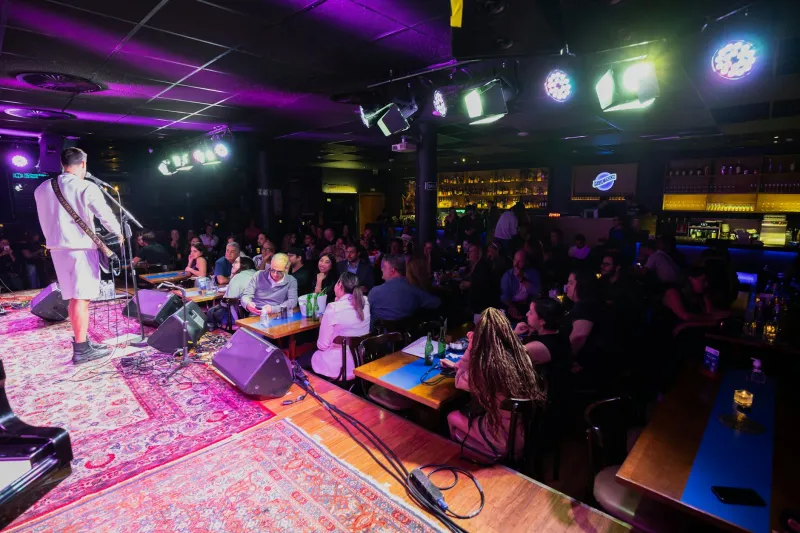
Every month, another piece of Britain's musical heritage vanishes. Not through fire or flood, but through something far more insidious: economics. Small venues across the UK are closing their doors forever, victims of skyrocketing business rates, noise complaints from new residential developments, and the simple mathematics of modern property values.
The Windmill in Brixton, The Joiners Arms in Southampton, countless others—each closure represents not just lost business, but lost community. These aren't just buildings where bands play; they're cultural ecosystems where entire scenes are born, nurtured, and given their first chance to breathe.
 Photo: The Windmill, via upload.wikimedia.org
More Than Bricks and Mortar
Walk into any surviving grassroots venue on a Tuesday night and you'll understand what we're losing. The sticky floors and questionable toilets matter less than the electricity in the air when a local band hits their stride in front of fifty devoted fans. This is where Arctic Monkeys played to twelve people, where Radiohead tested new material, where tomorrow's headliners are learning their craft tonight.
These venues serve a function that Wembley Stadium and the O2 simply cannot: they're laboratories for experimentation, safe spaces for failure, and launching pads for ambition. Strip them away, and you create a cultural desert where established acts have nowhere to try new ideas and emerging artists have nowhere to develop.
 Photo: The O2, via 1.bp.blogspot.com
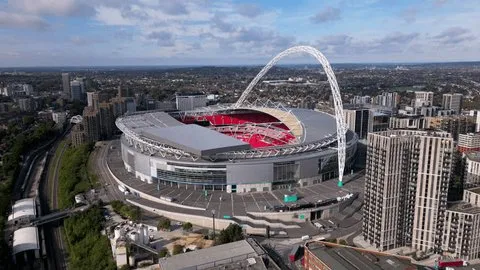 Photo: Wembley Stadium, via www.shutterstock.com
The Unlikely Heroes
But this isn't a story about inevitable decline. Across Britain, passionate communities are mounting increasingly sophisticated campaigns to save their local venues. In Bristol, a crowdfunding effort saved The Louisiana from redevelopment. In Leeds, local musicians and promoters formed a cooperative to keep Brudenell Social Club alive.
These campaigns share common DNA: they understand that venues aren't just businesses, they're community assets. They've learned to speak the language of local councils, to mobilise social media effectively, and to build coalitions that extend far beyond the usual suspects of musicians and music fans.
Artists as Advocates
What's particularly heartening is watching established artists use their platforms to champion the venues that shaped them. When Frank Turner organises benefit gigs for struggling venues, or when Sleaford Mods publicly support their local grassroots spaces, it sends a powerful message about the interconnectedness of the music ecosystem.
These artists understand that their success is built on foundations laid in small rooms with poor acoustics and cheaper beer. They're using their influence not just to sell tickets to their own shows, but to ensure the next generation has the same opportunities they had.
Beyond Nostalgia
This isn't about preserving the past for its own sake. The venues fighting for survival are adapting, innovating, and finding new ways to serve their communities. They're hosting comedy nights and art exhibitions, running music education programmes, and creating spaces for local businesses to thrive.
The best campaigns recognise that successful venues need to be sustainable, not just sentimental. They're building business models that work in 2024, not 1994, while preserving the essential character that makes these spaces irreplaceable.
The Stakes
Lose these venues, and we lose more than just places to see live music. We lose the infrastructure that makes British music culture possible—the testing grounds, the talent incubators, the community hubs that turn isolated musicians into connected scenes.
The fight to save Britain's grassroots venues is really a fight about what kind of cultural landscape we want to inhabit. Do we want a sanitised environment where only established acts can afford to perform, or do we want the beautiful chaos of discovery that only small venues can provide?
Every saved venue is a victory not just for music fans, but for the idea that culture matters more than property prices. The war isn't over, but the battles being won prove it's still worth fighting.