The Unscripted Art: How Britain's Best Performers Turn Dead Air Into Pure Gold

The Forgotten Craft
There's an art to the spaces between songs that most performers never master. They'll spend months perfecting their setlist, hours rehearsing their harmonies, and minutes adjusting their stage positions, but when it comes to those crucial moments between tracks, they're completely unprepared. The result? Awkward fumbling, nervous giggling, and the slow leak of energy that can kill even the most promising gig.
But watch Britain's finest live performers, and you'll notice something different. They understand that the silence after the final chord isn't dead time—it's prime real estate. Those few seconds, and the words that follow, can transform a collection of songs into a genuine shared experience.
The Masters of the Moment
Jarvis Cocker built a career on understanding this principle. Pulp's live shows weren't just musical performances; they were theatrical events where Jarvis's between-song monologues became as anticipated as the hits themselves. His rambling observations about Sheffield nightlife, sexual politics, or the absurdities of fame weren't just time-filling—they were integral to the band's artistic identity.
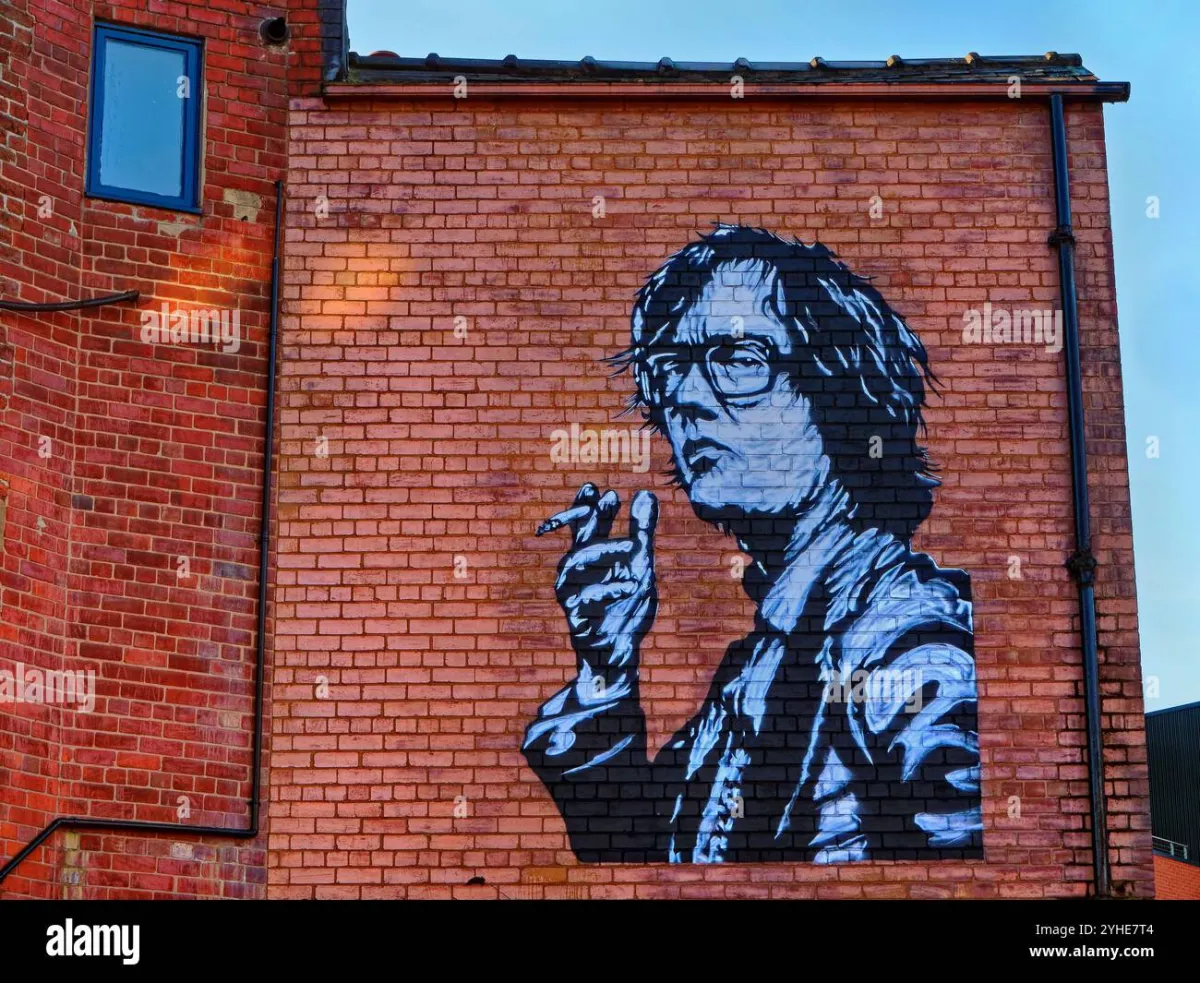 Photo: Jarvis Cocker, via c8.alamy.com
Similarly, when you watch footage of The Smiths in their prime, notice how Morrissey uses the gaps between songs. A raised eyebrow here, a perfectly timed quip there, sometimes nothing but a meaningful pause that lets the previous song's emotion settle before launching into something completely different. He understood that managing energy levels isn't just about song selection—it's about controlling the emotional temperature of the entire room.
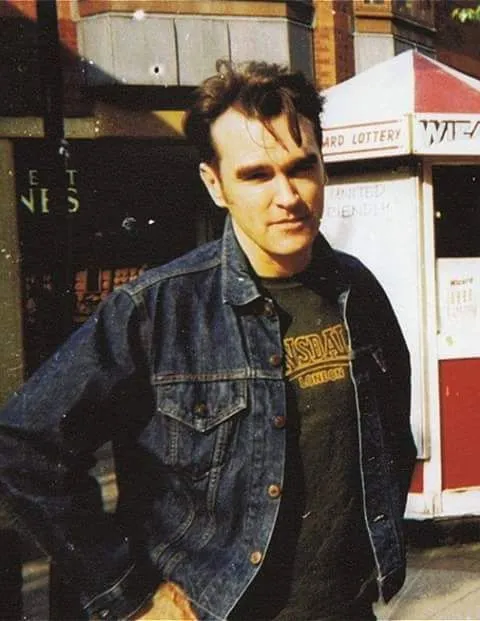 Photo: Morrissey, via i.pinimg.com
The Psychology of Connection
What happens in those unscripted moments reveals something profound about the relationship between performer and audience. When an artist genuinely connects during these gaps, they're essentially saying: "I see you, I'm present with you right now, and we're sharing this moment together." It's the difference between watching a human being and watching a jukebox.
I've witnessed this transformation countless times in Britain's smaller venues. An artist steps up to the microphone, maybe adjusts their guitar strap, and then says something completely unrehearsed—about the venue, about their journey to the gig, about something they noticed in the crowd. Suddenly, the entire atmosphere shifts. The audience leans in. The performance becomes a conversation.
Conversely, I've seen promising artists lose their audience entirely during these moments. They'll deliver a technically perfect set but fail to acknowledge the room's energy, the shared experience, or even the basic fact that they're standing in front of real people. The songs might be brilliant, but the show feels hollow.
The Vulnerability Factor
The best between-song moments often contain an element of vulnerability that the songs themselves can't provide. When Laura Marling pauses mid-set to tune her guitar and casually mentions her pre-show nerves, she's offering something more intimate than any lyric could achieve. When Frank Turner stops to thank the sound engineer by name, he's demonstrating a humanity that makes his anthemic songs hit harder.
This vulnerability can't be manufactured or scripted. Audiences have an uncanny ability to detect authenticity, and they're merciless with anything that feels calculated. The magic happens when artists are genuinely present, genuinely themselves, in these unguarded moments.
The Regional Variations
British audiences expect different things from these interludes depending on where you are. A London crowd might appreciate intellectual observations or cultural references. Manchester audiences often respond well to self-deprecating humour and working-class solidarity. Glasgow crowds want wit and won't tolerate pretension. Understanding these regional expectations isn't about pandering—it's about reading the room and responding accordingly.
I remember watching a touring artist completely misread a Leeds audience by launching into a pretentious monologue about artistic integrity. The crowd's energy visibly drained. Compare that to watching someone like Richard Hawley, who can hold a Sheffield audience in the palm of his hand simply by sharing a story about his mum's reaction to his latest album.
 Photo: Richard Hawley, via cdn-az.allevents.in
The Timing Paradox
Perhaps the most challenging aspect of mastering these moments is understanding timing. Too quick, and you lose the impact of what you've just played. Too slow, and you lose momentum entirely. The best performers develop an almost supernatural sense of when to speak and when to let silence do the work.
Watch how someone like Thom Yorke handles these transitions. Sometimes he'll launch immediately into the next song, using the momentum to build intensity. Other times, he'll let a song's final notes hang in the air, allowing the emotion to settle before completely shifting gears. There's no formula—it's pure intuition developed through years of live performance.
The Storytelling Tradition
Britain has always been a nation of storytellers, and our best live performers tap into this tradition. When Billy Bragg introduces a song with a story about the picket line where he wrote it, he's not just providing context—he's connecting his personal history to the audience's collective experience. When Kate Bush (in her rare live appearances) shares the inspiration behind a particular track, she's inviting the audience into her creative process.
These stories don't need to be profound or earth-shattering. Sometimes the most effective between-song moments are completely mundane observations that somehow capture something universal. The key is finding the human truth within the ordinary experience.
The Modern Challenge
In our smartphone age, artists face new challenges in these unscripted moments. Audiences are more distracted, more likely to drift into their devices during quieter interludes. This makes genuine connection even more precious—and more difficult to achieve.
The most successful contemporary artists have adapted by making these moments more engaging, more interactive. They'll reference something specific about the venue, the city, or even current events. They'll acknowledge the phones and cameras without being precious about them. They understand that fighting for attention means offering something more compelling than whatever's happening on social media.
The Ripple Effect
When an artist masters these between-song moments, the impact extends far beyond that individual performance. Audiences leave feeling like they've experienced something unique, something that couldn't be replicated by listening to a recording. They become evangelists for the live experience, spreading the word about an artist's ability to create genuine connection.
This is perhaps the ultimate value of mastering the unscripted art: in an age of infinite digital reproduction, it's one of the few things that can't be copied, streamed, or downloaded. It exists only in the shared space between performer and audience, in those precious moments when music becomes communion.
The next time you're at a gig, pay attention to what happens between the songs. Notice how the best artists use these moments not as necessary evils to be rushed through, but as opportunities to deepen the connection they've already established. Because in the end, it's not just about playing songs—it's about creating experiences that linger long after the last note has faded.