The Power of Nothing: Why Britain's Greatest Performers Master the Art of Restraint
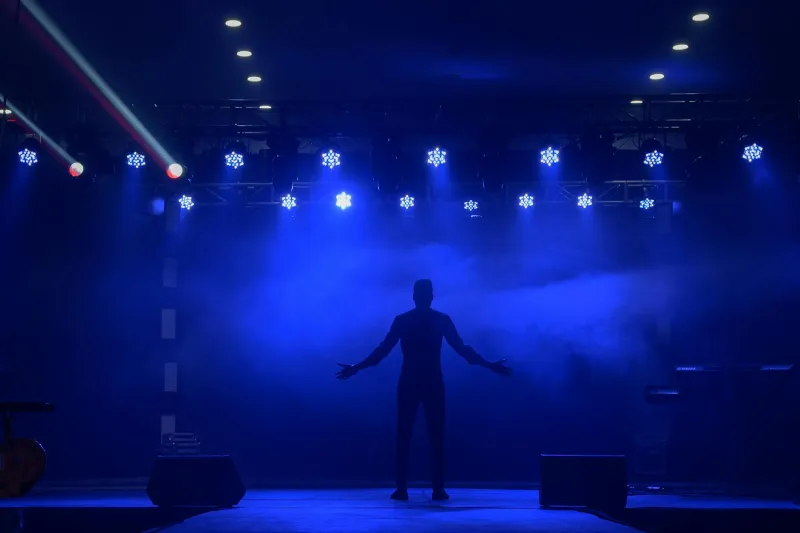
The Uncomfortable Truth
We live in an age of more. More volume, more effects, more spectacle, more everything. Social media has trained us to expect constant stimulation, instant gratification, relentless content. But step into any venue where truly great performers are working, and you'll notice something counter-intuitive: the most powerful moments often happen when they do absolutely nothing.
Silence makes people uncomfortable. We rush to fill gaps in conversation, reach for our phones during quiet moments, panic when the Wi-Fi cuts out. But the best performers understand something most of us have forgotten – that emptiness has weight, that pause has power, that sometimes the most profound thing you can do is nothing at all.
The British Mastery of Understatement
This isn't a universal truth, but it's particularly relevant in British performance culture. We've always valued understatement over bombast, suggestion over declaration. Think about the difference between a Morrissey performance and, say, a typical American arena show. Where one tradition might hit you over the head with pyrotechnics and choreography, Morrissey can command a room with a raised eyebrow and perfectly timed pause.
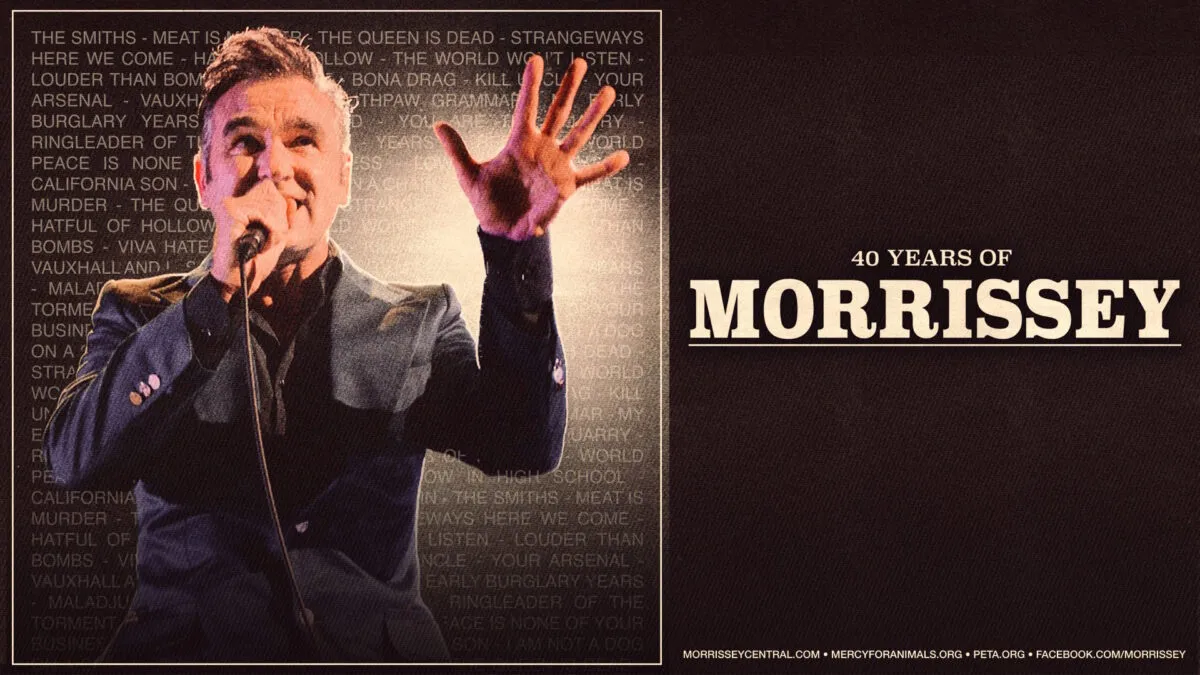 Photo: Morrissey, via www.jambase.com
It's not that one approach is better than the other, but there's something uniquely British about understanding the power of restraint. We're the culture that perfected the art of saying everything by saying nothing, of making the unsaid more powerful than the said.
The Mechanics of Silence
What actually happens during these moments of deliberate nothing? From a technical standpoint, silence creates anticipation. It forces the audience to lean in, to become active participants rather than passive consumers. When a performer stops, really stops, the audience has to fill that space with their attention.
Neurologically, silence triggers what researchers call 'anticipatory attention' – our brains start working overtime to predict what comes next. This heightened state makes whatever follows more impactful. The note after the pause hits harder. The word after the silence carries more weight.
Watch someone like Anna Calvi work a crowd. She'll build to what feels like a climactic moment, then stop completely. Hold the silence just long enough for discomfort to creep in. When she finally moves, breaks that spell, the release is almost physical.
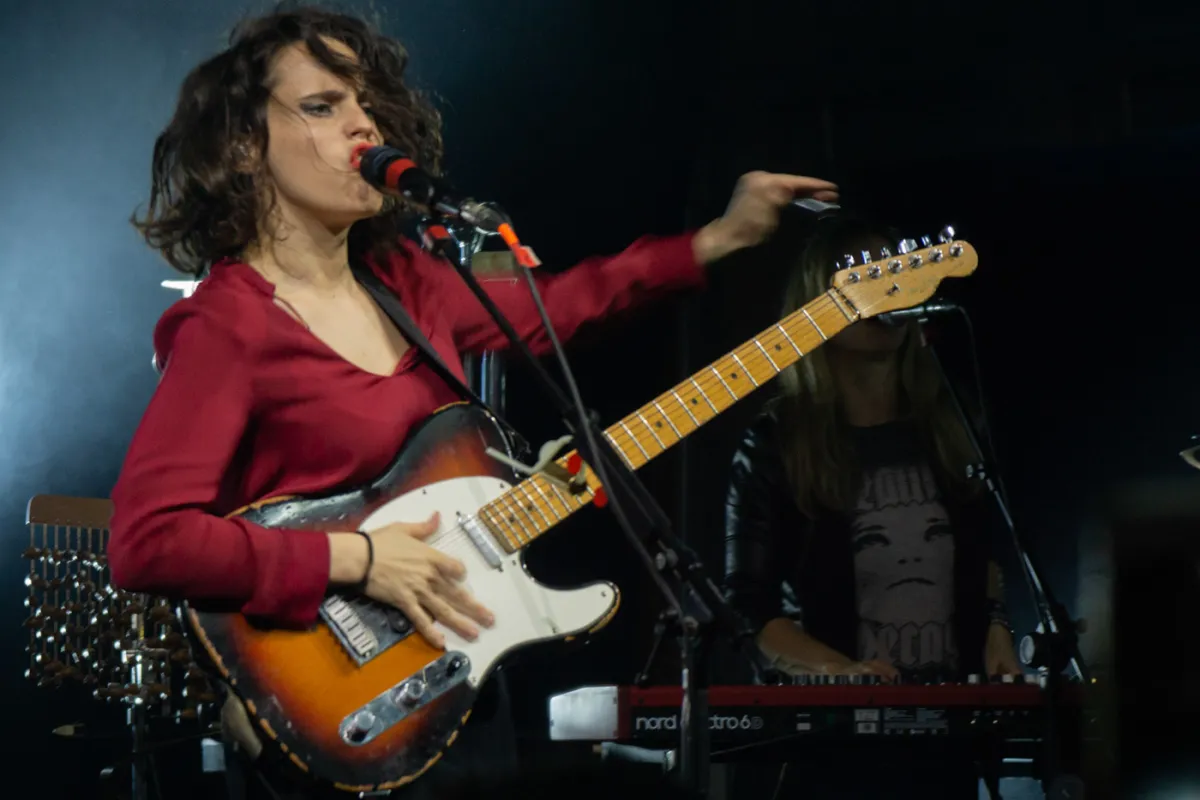 Photo: Anna Calvi, via mir-s3-cdn-cf.behance.net
Learning to Trust the Void
For most performers, especially those starting out, silence feels like failure. Dead air means you're losing the audience, right? Wrong. Silence means you're confident enough in your material, and in your connection with the audience, to risk discomfort for the sake of impact.
This requires tremendous self-assurance. It's much easier to fill every moment with sound, to never give the audience time to think or breathe. But that approach treats your audience like children who need constant entertainment. Silence treats them like adults who can handle complexity, nuance, space for reflection.
The Different Types of Nothing
Not all silences are created equal. There's the dramatic pause – the moment before a big reveal or emotional climax. There's the contemplative silence – space for the audience to process what they've just heard. There's the confrontational silence – the uncomfortable gap that challenges the audience to engage more deeply.
Each serves a different purpose, requires different timing, creates different effects. Master performers develop an intuitive understanding of which type of silence serves their material best, and when to deploy each one.
Beyond Sound
Silence isn't just about audio. It's about movement, about gesture, about the entire performance space. A performer who knows when to be still, when to stop moving, when to let a moment breathe, commands attention in ways that constant motion never could.
Think about the most memorable live performances you've witnessed. Chances are, at least some of those moments involved restraint rather than excess. The singer who stepped away from the microphone and let the room sing. The guitarist who held a single note until it became unbearable. The moment when everything stopped and you could hear your own heartbeat.
The Confidence Paradox
Here's the paradox: using silence effectively requires more confidence than filling every moment with noise. It takes serious self-belief to trust that your presence alone can hold a room's attention. It requires faith in your material, in your audience, in the power of space itself.
This is why silence is often the mark of an experienced performer. Beginners feel they need to prove themselves constantly, to justify their presence on stage through relentless activity. Veterans understand that sometimes the most powerful thing you can do is stop proving and start trusting.
Cultural Resistance
In our current cultural moment, silence faces particular resistance. We're conditioned to expect immediate satisfaction, constant stimulation, rapid-fire content. The idea of deliberately creating emptiness goes against everything social media and modern entertainment has taught us to expect.
But perhaps that's exactly why it's so powerful. In a world of noise, silence becomes revolutionary. In an age of constant chatter, the person who knows when to stop talking commands attention simply by being different.
Practical Application
For performers looking to incorporate more strategic silence into their work, start small. Try extending the pause between songs just a beat longer than feels comfortable. Let a note ring out until the room starts to shift in their seats. Give your words space to land before moving to the next thought.
Pay attention to how the audience responds. Notice how their attention sharpens during moments of deliberate emptiness. Feel how the energy in the room changes when you stop trying so hard to fill every moment.
The Ultimate Power Move
In the end, strategic silence is the ultimate power move. It says: I'm so confident in what I'm doing that I don't need to fill every moment with proof of my worth. I trust you to stay with me through the uncomfortable bits. I believe in the power of what's unsaid as much as what's said.
In a culture obsessed with more, the decision to do less becomes a statement. In an industry built on noise, silence becomes the most radical tool available. Master it, and you master something most performers never even attempt.