Between the Tunes: Why British Stage Chat Has Become Our Secret Weapon

The Uncomfortable Pause That Conquered Hearts
"Right, so... this next song is about... well, it's a bit shit, really." The lead singer of a Birmingham indie band shuffles awkwardly, guitar hanging loose around his neck. The crowd at the Hare & Hounds erupts in delighted laughter. It's a moment that perfectly encapsulates the peculiar British approach to stage presence – turning vulnerability into connection, awkwardness into authenticity.
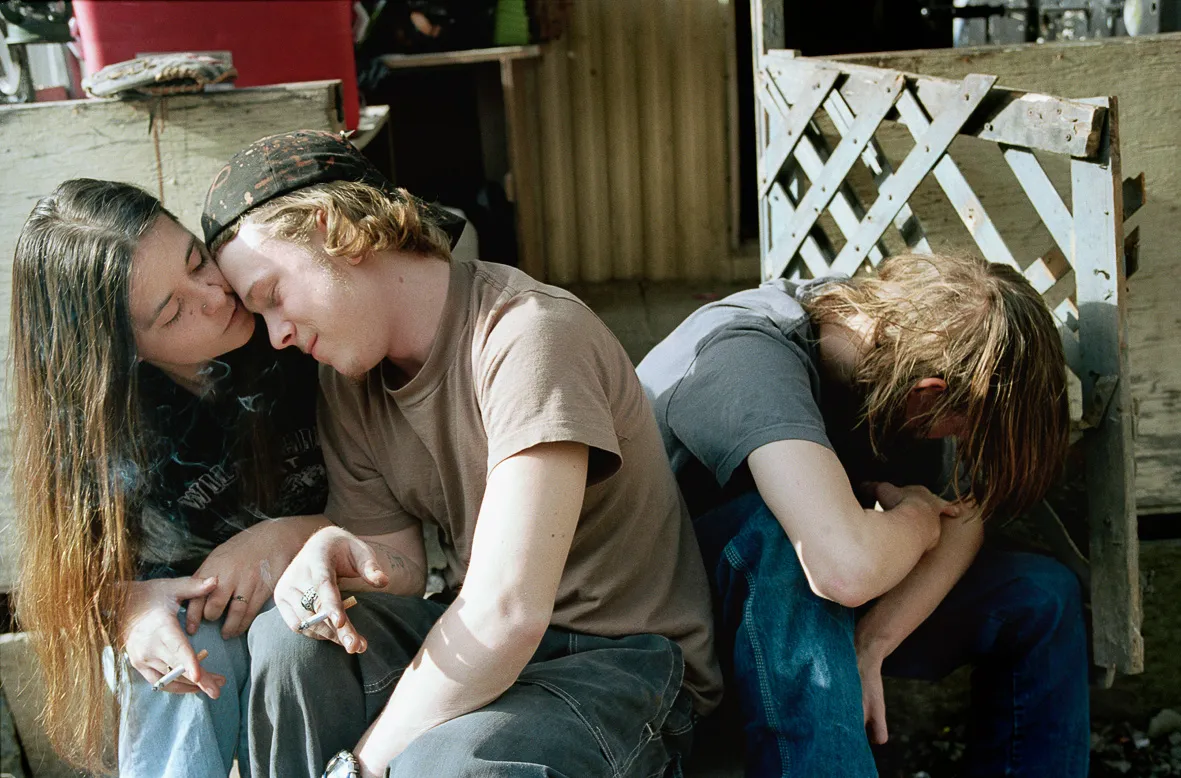 Photo: Hare & Hounds, via fotodoks.de
While artists across the pond perfect their between-song patter with media training and scripted anecdotes, British performers have weaponised the uncomfortable pause, the self-deprecating aside, and the gloriously rambling tangent. It's become our secret sauce in an increasingly polished musical landscape.
From Working Men's Clubs to Wembley
The roots of British stage banter run deep through our cultural soil. Walk into any working men's club in Yorkshire or social club in Wales, and you'll witness the template in action. The comedian who acknowledges his jokes are falling flat, the singer who admits she's forgotten the words, the band that stops mid-song to argue about the tempo – all while the audience leans in closer, not further away.
"It comes from our comedy tradition," explains Dr. Helen Morrison, a cultural historian at Leeds University who's studied British performance culture. "We're suspicious of anyone who takes themselves too seriously. An artist who can laugh at themselves immediately becomes one of us."
This tradition has scaled remarkably well. Arctic Monkeys' Alex Turner might mumble his way through between-song chat at stadium shows, but those mumbles feel more genuine than the slickest arena rock banter. Adele's rambling stories about her mum or her divorce settlements aren't just filler – they're the moments that transform massive venues into intimate front rooms.
 Photo: Arctic Monkeys, via store.arcticmonkeys.com
The Art of Calculated Spontaneity
Don't mistake British stage chat for genuine improvisation. The best practitioners understand that seeming natural takes considerable practice. It's a delicate balance – too polished and you lose the authenticity, too rambling and you lose the crowd.
"I spend ages working out how to sound like I'm not working anything out," admits Jamie Fletcher, whose folk-punk band has built a devoted following partly through his between-song storytelling. "The trick is having three or four stories ready, but making them feel like they just occurred to you."
The key is reading the room – understanding when the crowd needs a moment to breathe, when they want to be brought into your world, or when they just want you to shut up and play the next song. British audiences are particularly unforgiving of performers who misjudge these moments.
The Streaming Generation's Rebellion
In an era where musical perfection is just a Spotify algorithm away, the messy humanity of live stage chat has become increasingly precious. Young audiences, raised on flawless recorded performances, are hungry for the authentic mistakes and genuine moments that only happen in real-time.
"My generation grew up with everything being perfect online," says 23-year-old gig-goer Emma Walsh, queuing outside a Brixton venue. "When an artist stops mid-song because they've cocked up the lyrics, or starts telling some random story about their cat, it feels revolutionary. Like they're actually human."
This hunger for authenticity has created opportunities for artists who might not have the most polished sound but can create genuine connections through their between-song presence. Some of Britain's most successful recent acts have built their followings as much through their stage personalities as their musical abilities.
Regional Flavours and Local Heroes
British stage banter varies dramatically by region, each area bringing its own flavour to the art form. Scottish performers lean into dry wit and self-deprecation. Liverpudlian acts often turn their between-song chat into communal sing-alongs. London artists might reference the ridiculous cost of their rent or the delays on the Northern Line.
These regional differences create a rich tapestry of performance styles, but they all share common threads: honesty, humour, and a fundamental understanding that the space between songs is as important as the songs themselves.
"In Manchester, if you can't take the piss out of yourself, you're finished before you start," laughs Sarah Chen, who books acts for several Northern venues. "The audience will do it for you, so you might as well get there first."
The International Export
Perhaps most tellingly, British-style stage banter is being adopted by artists worldwide who recognise its power to create genuine connections. American artists are learning to embrace awkwardness, European performers are experimenting with self-deprecation, and everyone's trying to bottle that particular brand of British charm that turns strangers into conspirators.
But the magic isn't easily replicated. It's built on cultural foundations – our relationship with class, our comfort with failure, our instinctive distrust of perfection. When foreign artists try to adopt British stage chat techniques without understanding the cultural context, it often feels forced or fake.
The Future of the Fumble
As live music continues to compete with increasingly sophisticated digital entertainment, the value of genuine human connection only grows. British artists who master the art of stage banter aren't just filling time between songs – they're creating irreplaceable experiences that can't be streamed, downloaded, or replicated.
The next time you're at a gig and the singer stops to tell a rambling story about getting lost on the way to the venue, remember: you're witnessing a particularly British art form in action. In a world of increasing perfection, our ability to find connection in imperfection might just be our greatest cultural export.
After all, anyone can play a perfect song. But it takes something special to make a crowd love you for admitting you've forgotten how it starts.