Vault Dwellers: The Buried Treasures That Could Have Changed British Music History
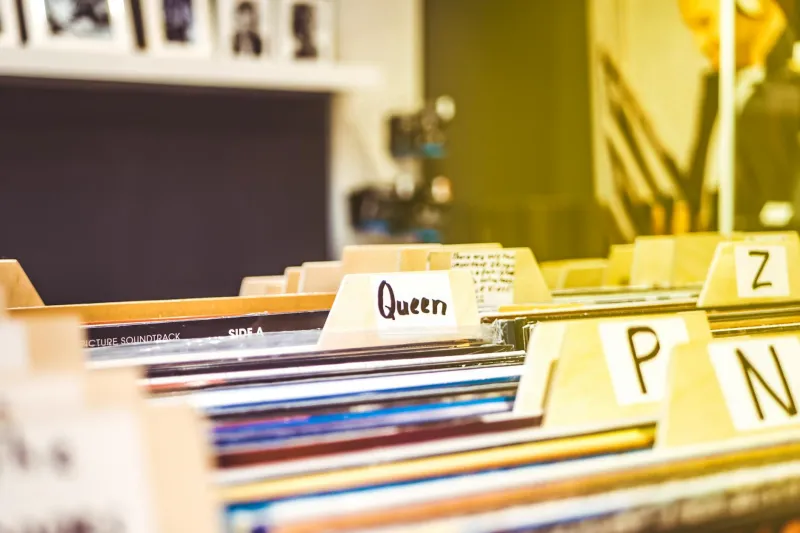
Every British record label has them – the locked filing cabinets, the password-protected hard drives, the dusty master tapes that contain some of the most extraordinary music you'll never hear. For every song that makes it to your Spotify playlist, dozens more remain trapped in what industry insiders grimly call "development hell." It's a cultural crime that's been happening for decades, and it's time we talked about it.
The Gatekeepers' Gamble
Record labels have always fancied themselves as tastemakers, but their track record suggests they're more like nervous gamblers placing conservative bets. The number of future classics that have been deemed "not commercial enough" or "ahead of their time" by A&R departments would fill several greatest hits compilations. These decisions aren't just business mistakes – they're acts of cultural vandalism that deprive audiences of potentially transformative musical experiences.
Consider the case of Nick Drake's "Five Leaves Left." Island Records sat on the completed album for months, unsure how to market its delicate, introspective sound. When it was finally released, it sold poorly and disappeared quickly. Only years later did it emerge as a masterpiece that influenced countless artists. How many other Nick Drakes are still gathering dust in label vaults?
 Photo: Island Records, via shop.islandrecords.co.uk
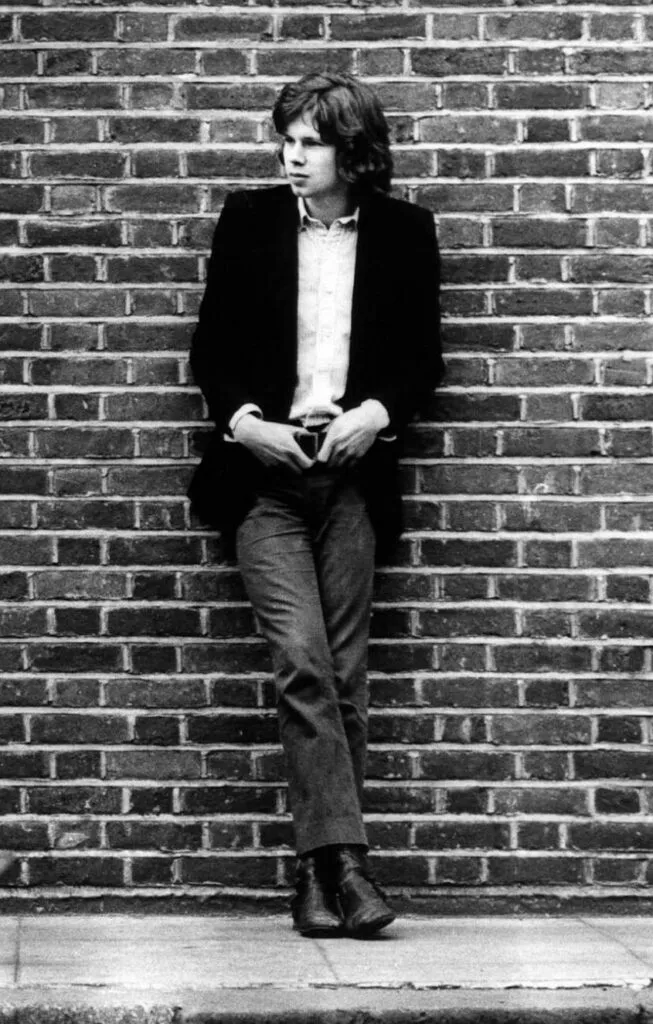 Photo: Nick Drake, via bestclassicbands.com
The Artist's Dilemma
It's not just label interference that keeps great music locked away – artists themselves are often their own worst enemies. Perfectionism, self-doubt, and fear of criticism create a paralysis that can last for years. Some of Britain's most celebrated musicians have admitted to sitting on completed albums simply because they couldn't face the possibility of public rejection.
This self-censorship is particularly tragic because it often affects the most innovative and personal work. The songs that artists are most afraid to release are frequently the ones that could have the greatest impact. There's something perverse about a system that encourages artists to suppress their most authentic creative impulses.
The Bootleg Underground
Where official channels fail, dedicated fans often step in. The bootleg underground has preserved and circulated countless unreleased British recordings, from rough demos to pristine studio outtakes. These informal networks have kept alive music that might otherwise have been lost forever, creating a parallel music history that runs alongside the official narrative.
Bootleggers aren't just pirates – they're cultural archaeologists, preserving and sharing musical heritage that the industry has abandoned. Many officially unreleased songs have found their audiences through these channels, proving there was always a market for the music that labels deemed uncommercial.
Digital Liberation
The internet has fundamentally changed the economics of music release, making it possible for artists to share their work without traditional gatekeepers. Platforms like Bandcamp and SoundCloud have created new possibilities for vault material to find its audience. Artists can now test waters with unreleased tracks, gauge fan reaction, and build demand for official releases.
This democratisation has led to a wave of archive releases and deluxe reissues that include previously unreleased material. Fans have become more vocal in demanding access to vault material, and artists have become more willing to share works they once considered too personal or experimental for public consumption.
The Psychology of Release
There's a fascinating psychology behind artistic hesitation. Many British musicians describe a particular type of performance anxiety around their most personal work. The songs that mean the most to them are the ones they're most afraid to share, creating a cruel paradox where the most meaningful music remains hidden.
This fear isn't irrational – personal, experimental work is more vulnerable to criticism than safe, commercial material. But it's precisely this vulnerability that often makes unreleased material so compelling when it finally emerges. The raw emotion and creative risk-taking that artists tried to hide are exactly what audiences connect with most deeply.
Lost Opportunities
The cultural impact of delayed releases can be profound. Music that might have influenced an entire generation of artists when it was created may seem less revolutionary when it finally appears years later. The moment passes, the cultural conversation moves on, and potentially transformative work becomes a historical footnote rather than a living influence.
This timing problem is particularly acute in rapidly evolving genres. A groundbreaking electronic track that was shelved in 2010 might sound dated when it finally surfaces in 2024, robbing it of the impact it could have had at the right moment.
The Courage to Share
The artists who do eventually release their vault material often describe a sense of liberation and relief. The songs they were most afraid to share frequently become fan favourites, proving that audiences are more open to experimental and personal work than industry gatekeepers assumed.
This pattern suggests that artistic courage is rewarded more often than punished. The British music scene would be immeasurably richer if more artists found the confidence to share their most adventurous work rather than hiding it away.
The Archive Revolution
We're currently experiencing an unprecedented opening of the vaults. Legacy artists are revisiting their archives, independent labels are taking risks on experimental releases, and streaming platforms are making it economically viable to release niche material to small but passionate audiences.
This archive revolution isn't just about nostalgia – it's about completing the historical record and giving audiences access to the full spectrum of British musical creativity. Every unreleased song that finally sees daylight helps us better understand the true scope of our musical heritage.
A Call to Action
The vault culture needs to change. Labels should be more adventurous in their release strategies, artists should be braver about sharing their most personal work, and audiences should be more vocal in demanding access to unreleased material. The technology exists to make almost any recording economically viable for release – what's missing is the cultural will to use it.
Every day that great British music remains locked away is a day stolen from cultural history. It's time to open the vaults and let the music breathe.