Threads of Expression: The Visual Language of British Musical Identity
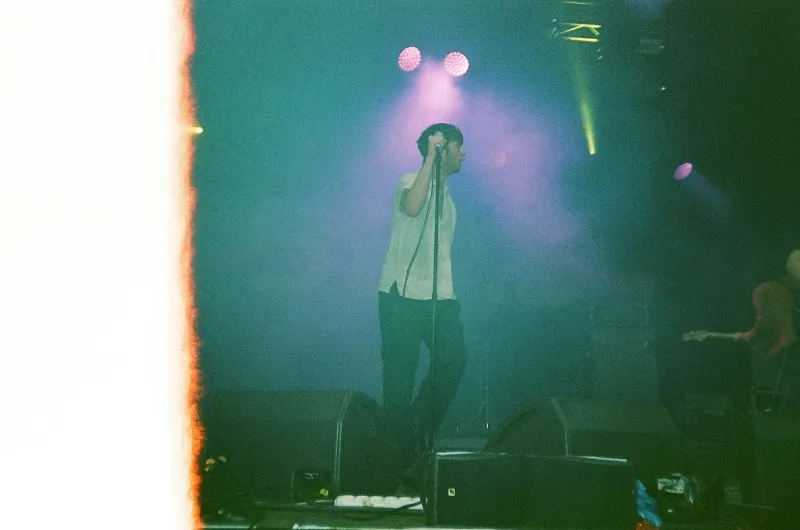
The Uniform of Rebellion
Walk into any British music venue and you'll witness a fascinating display of visual storytelling. Every outfit tells a story, every accessory makes a statement, and every carefully curated 'accident' of style reinforces an artistic message. British musicians have long understood that performance begins the moment you step into view.
This isn't vanity – it's strategy. In a crowded musical landscape, visual identity often determines whether someone stops scrolling or keeps walking past your stage. The most successful British artists have always been those who understood that music and image aren't separate entities but complementary forces in a single creative vision.
Icons and Evolution
British music history is littered with moments where costume became legend. Bowie's Ziggy Stardust wasn't just heard – he was seen, creating a visual language that influenced everything from gender expression to space-age fashion. The Sex Pistols' safety pins and torn clothing weren't accidents but calculated provocations that made their musical rebellion visible.
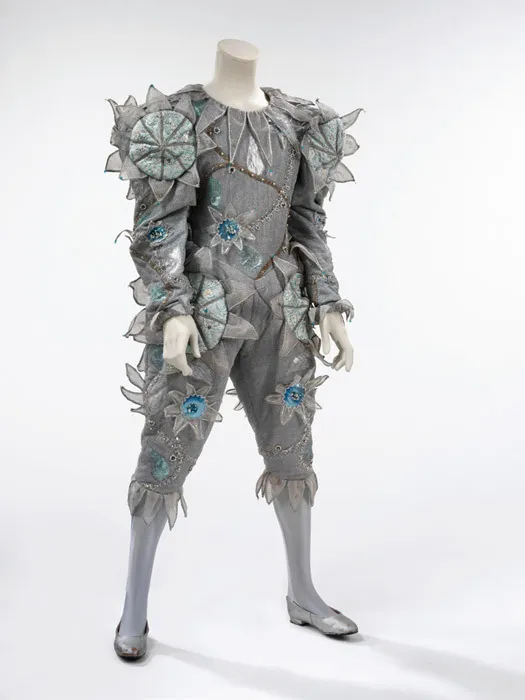 Photo: Bowie, via www.artforum.com
More recently, artists like FKA twigs have elevated performance costume to high art, using fashion as a direct extension of their sonic experimentation. Each outfit becomes part of the composition, adding layers of meaning that pure audio cannot achieve.
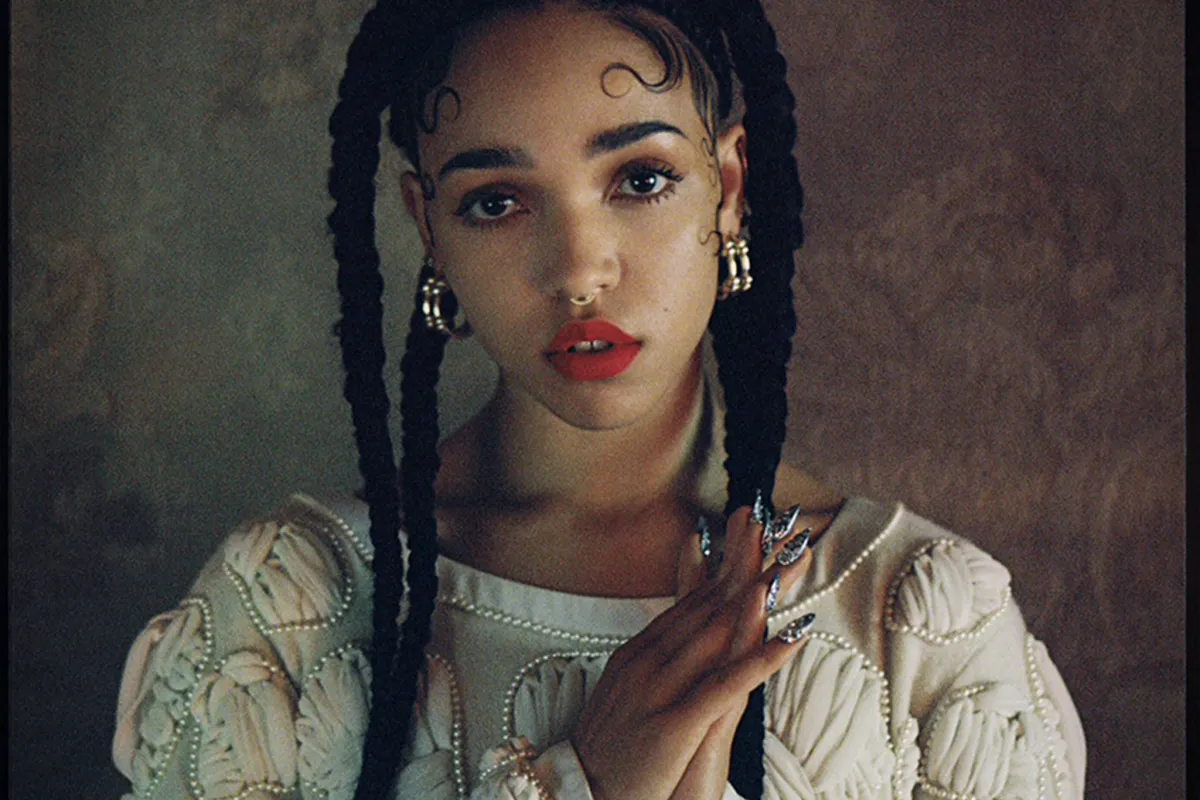 Photo: FKA twigs, via media.timeout.com
But it's not just the superstars who grasp this concept. Travel through Britain's independent music scene and you'll find countless artists using visual identity as their secret weapon, often on budgets that wouldn't cover a single designer shoe.
The High Street Revolution
One of the most democratising aspects of British music culture is how effectively artists use accessible fashion to create distinctive looks. Charity shops, vintage stores, and high street retailers become the building blocks of iconic stage personas.
Take the indie folk scene centred around cities like Bristol and Leeds. Artists are crafting compelling visual narratives using secondhand blazers, vintage band t-shirts, and carefully distressed denim. It's not about expense – it's about curation, about understanding which elements combine to tell your particular story.
This approach has created a uniquely British aesthetic that values authenticity over luxury. An artist in ripped jeans and a charity shop shirt can command as much visual attention as someone in designer gear, provided they understand how to make those choices feel intentional rather than accidental.
Beyond the Wardrobe
Visual identity extends far beyond clothing into the realm of total aesthetic control. British artists are increasingly thinking like film directors, considering how lighting, staging, and even venue choice contribute to their visual message.
The folk revival has seen artists embrace stripped-back visuals that mirror their musical approach – simple, honest clothing that suggests authenticity and connection to tradition. Meanwhile, electronic artists experiment with technology-enhanced costumes that respond to their music, creating immersive experiences where fashion becomes interactive.
What's particularly British about this approach is the underlying pragmatism. These aren't artists chasing fashion trends but musicians using visual elements to solve creative problems. How do you make acoustic folk music feel contemporary? How do you make electronic music feel human? Often, the answer lies in what you choose to wear.
The Instagram Generation
Social media has transformed how British musicians approach visual identity. Every photo becomes a piece of brand building, every outfit choice gets scrutinised and shared. This has created both opportunities and pressures that previous generations never faced.
Smart artists have learned to use this constant visibility to their advantage. They create cohesive visual narratives across platforms, using fashion choices to reinforce their musical messages even when they're not performing. A carefully chosen vintage jacket in an Instagram post can do as much for an artist's brand as a great live review.
But there's a danger here too. The pressure for constant visual novelty can overwhelm the music itself, creating artists who look interesting but sound forgettable. The most successful British musicians have learned to balance visual impact with musical substance, using fashion to enhance rather than replace their artistic message.
DIY Creativity Unleashed
Perhaps nowhere is British fashion creativity more evident than in the DIY music scene. Limited budgets have sparked incredible innovation, with artists learning to customise, adapt, and repurpose clothing to create distinctive looks.
This has led to some of the most memorable visual moments in recent British music. Artists spray-painting band logos onto charity shop finds, customising vintage pieces with personal symbols, or creating entire stage outfits from materials found in pound shops.
The constraint has become the catalyst. Without major label styling budgets, British independent artists have developed a resourcefulness that often produces more compelling visuals than big-budget alternatives. There's something appealingly punk rock about creating your visual identity from scratch, using whatever materials you can find.
The Subtle Art of Consistency
The most effective British artists understand that visual identity isn't about shock value or constant change – it's about consistency. They develop a visual language that evolves but remains recognisable, creating a sense of reliability that audiences can connect with.
This might mean always wearing black, or incorporating specific colours, or choosing vintage pieces from particular eras. The key is making these choices feel authentic to the music rather than imposed from outside.
Look at artists like PJ Harvey or Thom Yorke – their visual choices have evolved over decades but remain unmistakably theirs. They've understood that true visual identity isn't about following fashion but about creating a personal aesthetic that serves their artistic vision.
The Future of Musical Fashion
As British music continues to diversify, so too does its visual language. Artists are drawing inspiration from global fashion traditions, sustainable clothing movements, and technology-enhanced garments that would have been science fiction a decade ago.
What remains constant is the understanding that visual identity matters. In an attention economy where first impressions happen in milliseconds, British musicians who master the art of visual storytelling give themselves a crucial advantage.
The most exciting development is how democratised this process has become. You don't need a styling team or a luxury budget to create compelling visual identity – you need vision, creativity, and the confidence to make bold choices. In British music, that's always been enough.