The Marathon Mindset: Why Britain's Greatest Musicians Think in Decades, Not Moments

The Quiet Revolution
Somewhere between the hype cycles and the algorithm-driven playlists, a quiet revolution has been taking place in British music. While the industry machinery churns through its latest discoveries, a different breed of artist has been steadily building something more valuable than fame: longevity.
These aren't the musicians you'll see on magazine covers or trending on social media. They're the ones playing the same venues year after year, gradually expanding their reach, deepening their craft, and building relationships with audiences that span generations. They've rejected the overnight success narrative entirely, choosing instead to play the longest possible game.
And they're winning.
The Myth of Instant Gratification
The modern music industry sells a seductive lie: that success should be immediate, explosive, and total. We celebrate the breakthrough single, the viral moment, the artist who goes from bedroom to Brit Awards in twelve months. But scratch beneath the surface of these stories and you'll often find years of preparation, false starts, and patient development that the narrative conveniently ignores.
Meanwhile, the artists who openly embrace slow development are dismissed as lacking ambition or commercial appeal. This is backwards thinking that misunderstands how genuine artistic careers are built.
Look at someone like Laura Marling, who released her first album at nineteen and is now, more than a decade later, creating some of her finest work. Or consider the steady evolution of bands like Radiohead, who've maintained relevance across multiple decades by refusing to repeat themselves while staying true to their core identity.
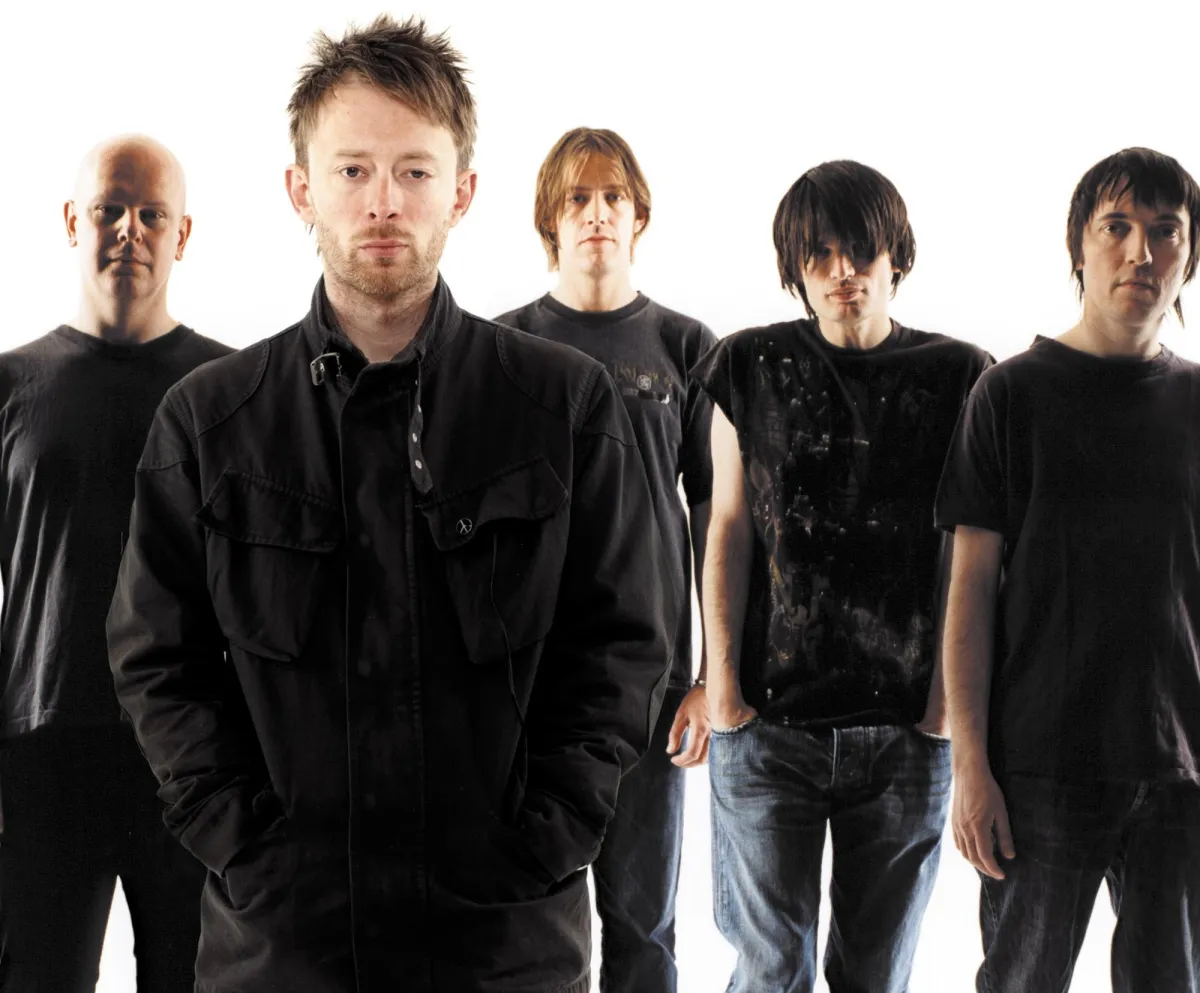 Photo: Radiohead, via images.rtl.fr
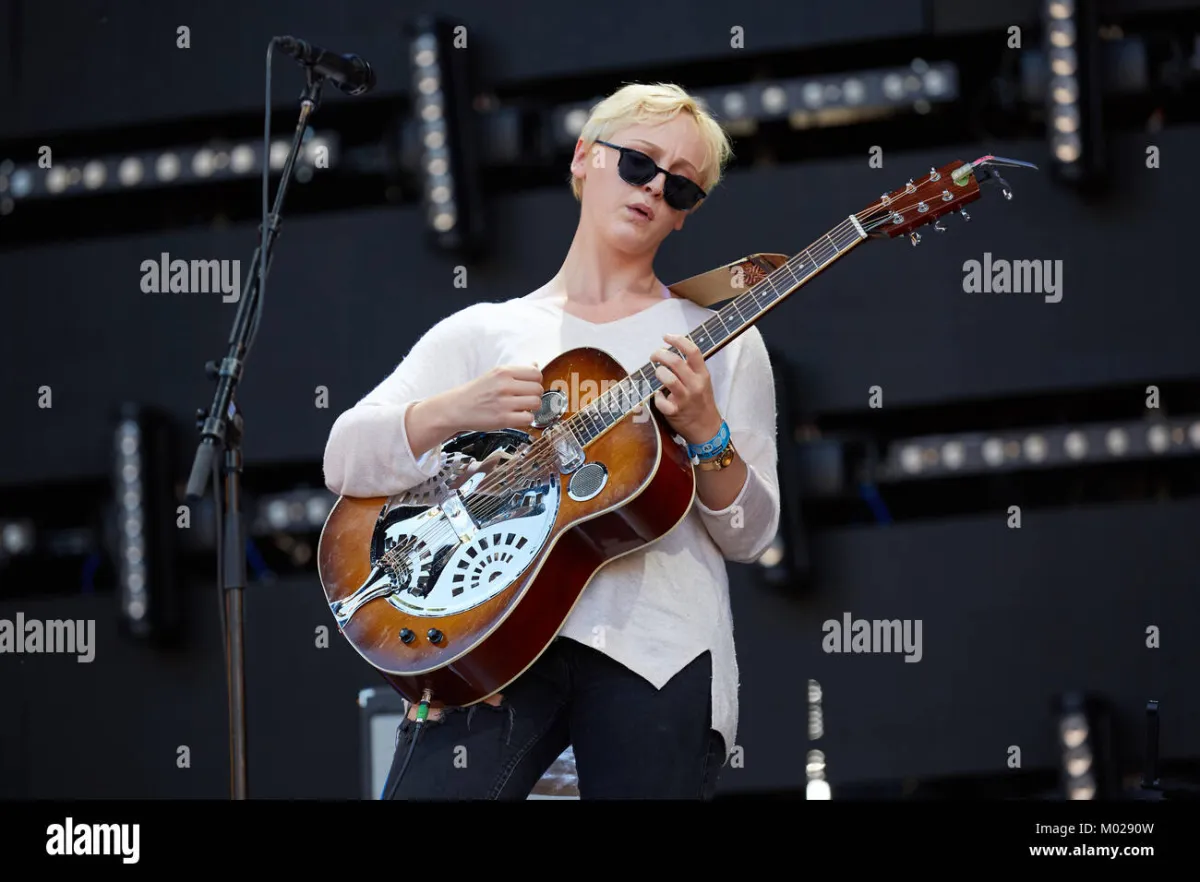 Photo: Laura Marling, via c8.alamy.com
These artists understood early that the music industry's attention span and artistic development operate on completely different timescales. They chose to optimise for the latter.
The Compound Interest of Creativity
There's a financial concept called compound interest – the idea that small, consistent investments grow exponentially over time. The same principle applies to artistic development. Every album, every tour, every creative risk taken builds upon previous work, creating a career that becomes more valuable with each iteration.
This is particularly evident in Britain's folk and alternative scenes, where artists like Nick Drake (posthumously) and more recently, artists like Daughter or The Paper Kites have built devoted followings through consistent output and gradual refinement rather than breakthrough moments.
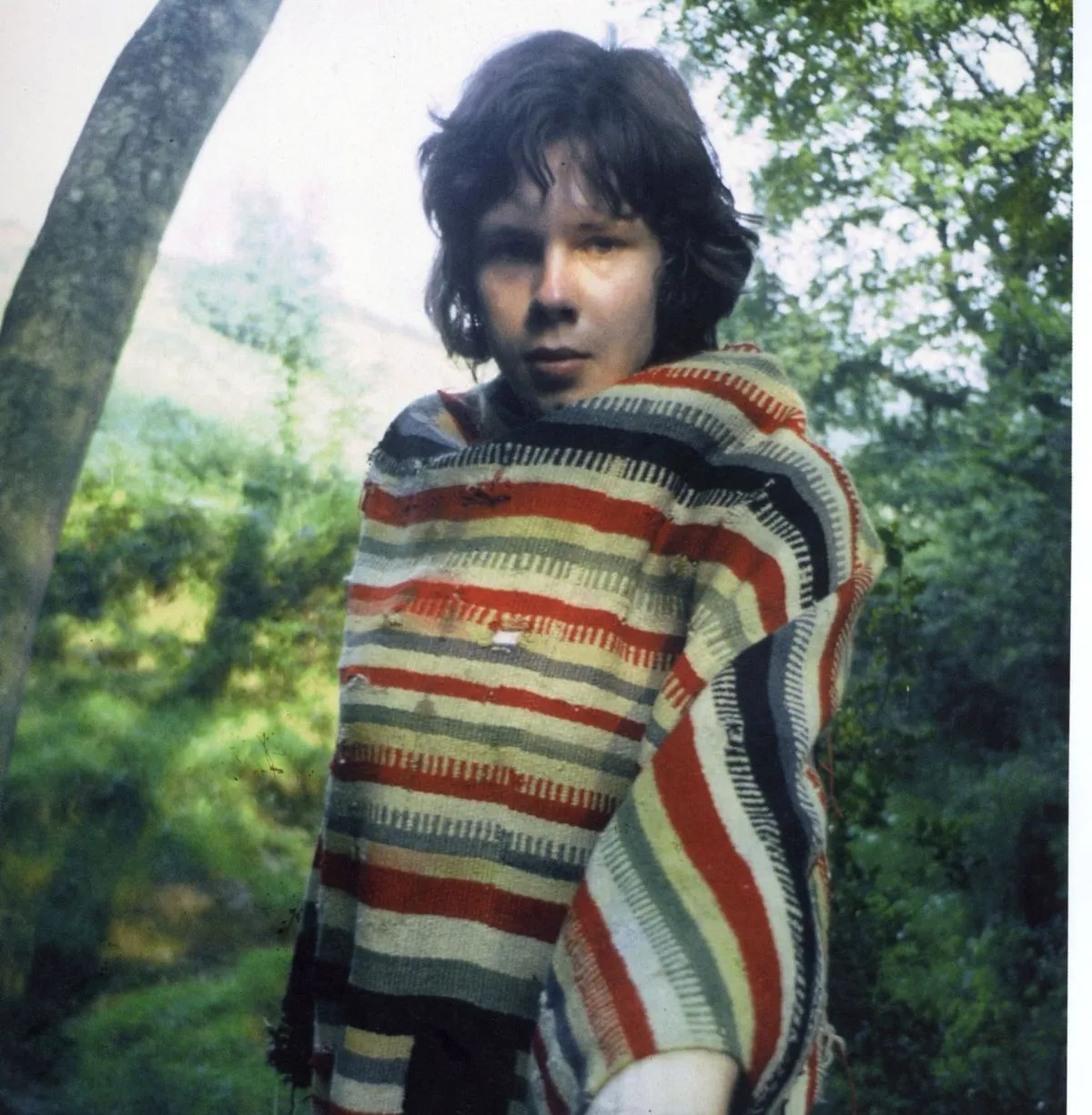 Photo: Nick Drake, via i2-prod.birminghammail.co.uk
The compound effect works on multiple levels. Technical skills improve with practice. Songwriting deepens with experience. Stage presence develops through repetition. Most importantly, the relationship with audiences grows stronger through sustained engagement rather than fleeting attention.
This patient approach also allows for creative risks that would be impossible under industry pressure. When you're not desperate for immediate commercial success, you can afford to experiment, to fail, to explore directions that might not pay off immediately but contribute to long-term artistic growth.
The British Advantage
There's something particularly British about this marathon approach to musical careers. Perhaps it's our cultural comfort with understatement, our suspicion of flash-in-the-pan success, or simply our weather-induced patience, but British audiences seem more willing to invest in artists for the long haul.
This creates a unique ecosystem where artists can develop more organically. The pub circuit, the festival system, the network of independent venues – all of these provide spaces for gradual growth that might not exist in more commercially aggressive markets.
British music journalism also plays a role, with publications that still value career-spanning coverage over trend-chasing. When NME or Uncut writes about an artist's fifth album with the same attention they gave their debut, it signals that longevity has value in British music culture.
The Streaming Paradox
Interestingly, streaming technology – often blamed for shortening attention spans – has actually created new opportunities for long-term career building. Artists can now maintain direct relationships with fans, release music on their own schedules, and build sustainable income streams without major label support.
This has democratised the marathon approach. You no longer need industry backing to sustain a decades-long career – you need patience, consistency, and genuine connection with your audience. Artists like Frank Turner or The Tallest Man on Earth have demonstrated how streaming platforms can support gradual career development rather than just viral moments.
The key is understanding that streaming success isn't just about playlist placement or algorithm gaming – it's about creating a catalogue that grows in value over time, where each new release brings listeners back to explore previous work.
The Creative Benefits of Time
Perhaps the strongest argument for the marathon mindset is purely artistic. The best British albums often come from artists who've had time to develop their voice, to understand what they want to say and how they want to say it.
Consider how different Adele's '25' sounds from '19' – not just in production values but in emotional depth and vocal confidence. Or compare early Arctic Monkeys with their recent experimental phases. These artists needed time to discover their full creative potential.
The marathon mindset also allows for the kind of thematic development that creates truly great bodies of work. When you're thinking in decades rather than singles, you can explore ideas across multiple albums, developing concepts that would be impossible to contain in a single release.
Building Genuine Legacy
Ultimately, the marathon approach is about building something that lasts beyond the current cultural moment. While viral hits fade and streaming numbers become historical curiosities, the artists who've played the long game continue to find new audiences and create relevant work.
This isn't about rejecting commercial success – many of Britain's most enduring artists have achieved significant commercial heights. It's about understanding that sustainable success comes from building genuine artistic value rather than chasing temporary attention.
The most successful marathon artists have learned to measure progress differently. Instead of chart positions, they track the depth of audience engagement. Instead of social media metrics, they focus on creative satisfaction and artistic growth.
The Path Forward
For emerging British artists, the marathon mindset offers a refreshing alternative to industry pressure and social media anxiety. It suggests that you don't need to achieve everything immediately, that career development is a process rather than an event.
This approach requires different skills – patience, consistency, and the ability to find satisfaction in gradual progress rather than explosive breakthroughs. But for artists willing to embrace it, the marathon mindset offers something increasingly rare in modern music: the freedom to develop authentically over time.
In an industry obsessed with the next big thing, perhaps the most radical act is simply deciding to stick around long enough to become the current big thing. The British artists who've mastered this approach haven't just built careers – they've built legacies that will outlast whatever trend is dominating the charts this week.
After all, the music that matters most is rarely the music that mattered most at the time. It's the music that continues to matter, year after year, decade after decade. That's the real prize worth chasing.