The Hidden Architecture: How Song Order Builds Unforgettable Nights

The Invisible Craft
Most people think a setlist is just a list of songs. Chuck together your biggest hits, maybe throw in a couple of deep cuts for the hardcore fans, job done. But speak to any seasoned British performer and they'll tell you different. The running order isn't just practical – it's an art form that separates the professionals from the amateurs.
Watch someone like Thom Yorke or PJ Harvey construct a setlist and you're witnessing architectural thinking in action. Every song placement serves a purpose. Every transition is deliberate. The whole thing is designed to take an audience on a journey, not just entertain them for 90 minutes.
 Photo: PJ Harvey, via i.pinimg.com
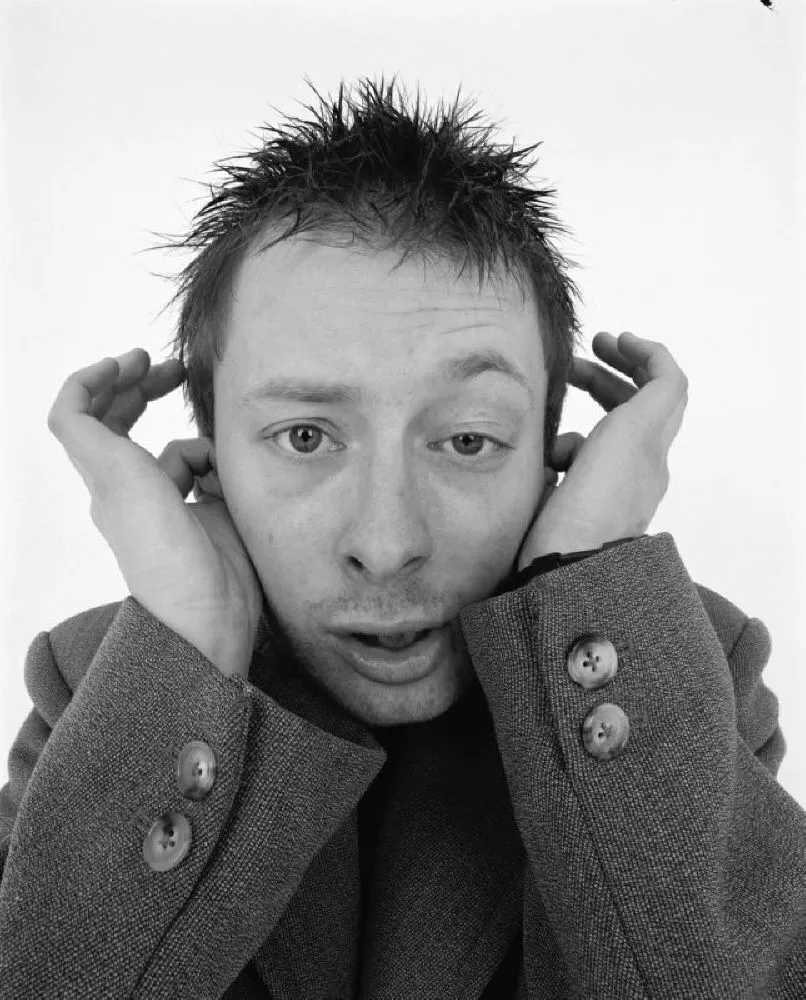 Photo: Thom Yorke, via i.pinimg.com
The Psychology of Sequence
There's actual psychology behind effective setlist construction. Research into what's called the 'serial position effect' shows that audiences remember beginnings and endings most vividly, while the middle tends to blur together. Smart performers use this knowledge ruthlessly.
Your opener needs to grab attention immediately. No warm-ups, no easing in gently. You've got about thirty seconds to prove you deserve the audience's full attention. That's why you rarely see established artists opening with their biggest hit – they don't need to prove themselves straight away, and they want something left for the climax.
The closer, meanwhile, needs to send people home with something unforgettable. It's your last chance to make an impression, to give them something they'll be humming on the night bus home.
Reading the Room in Real Time
Here's where experience shows: the best performers don't just follow their planned setlist blindly. They read the room and adapt. If the crowd's energy is flagging during what should be the peak moment, a seasoned artist will audible to something more immediate, more rousing.
This requires knowing your material inside out. You can't just know how to play each song – you need to understand what each song does to an audience, how it makes them feel, where it fits in the emotional landscape of a performance.
The Art of Tension and Release
Great setlists work like great albums or great films – they understand the power of tension and release. You build up energy, then let it breathe. You create peaks and valleys, moments of intensity followed by spaces for reflection.
Look at how Radiohead structures their shows. They'll hit you with something intense like 'Ful Stop', then pull back with something more contemplative like 'Daydreaming'. The contrast makes both songs more powerful than they would be in isolation.
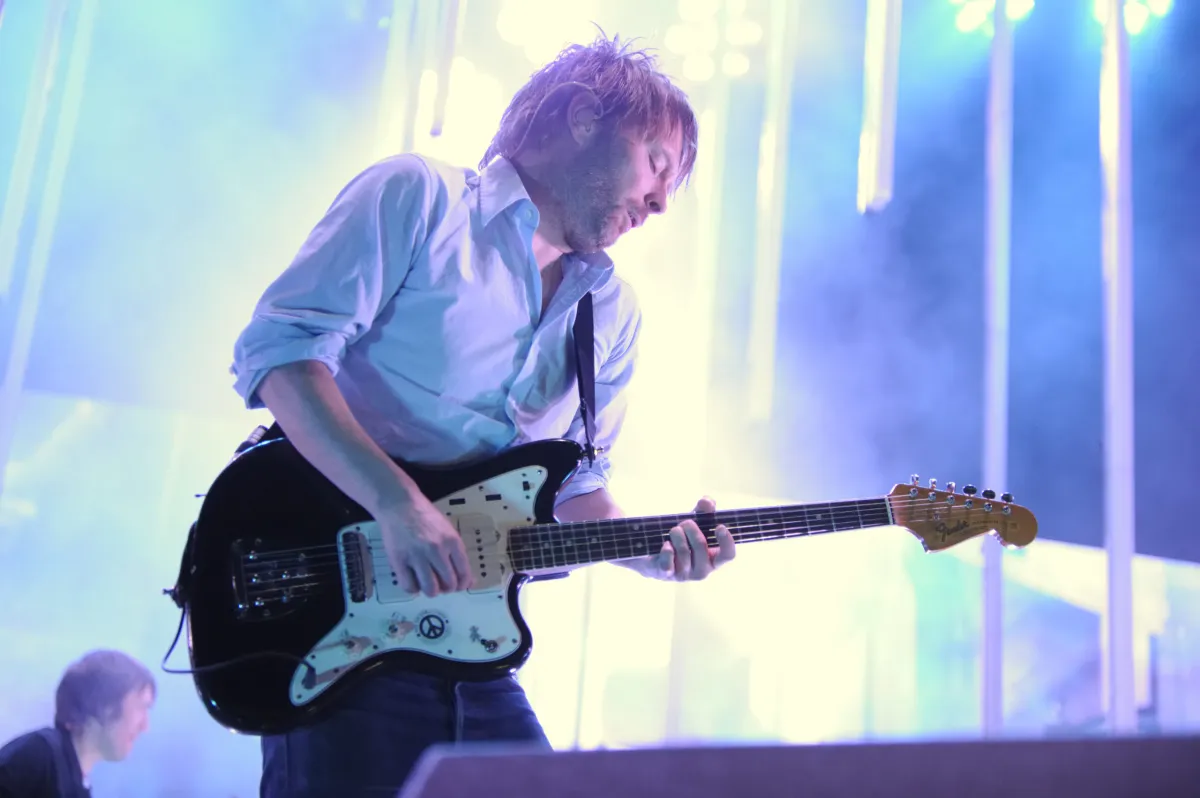 Photo: Radiohead, via ishootshows.com
This isn't accidental. It's calculated emotional manipulation, and when it's done well, the audience doesn't even notice they're being led through a carefully designed experience.
The British Approach
There's something distinctly British about our approach to setlist construction. We tend to be more subtle, more understated than our American counterparts. Where an American rock show might hit you over the head with bombast from the first note, British artists often prefer to earn their big moments.
This reflects broader cultural differences. British audiences appreciate restraint, craft, the slow build. We like artists who don't give everything away immediately, who make us work a bit for the payoff.
Beyond the Hits
The most interesting setlists aren't just greatest hits collections. They tell a story that includes the hits but doesn't rely on them entirely. Deep cuts serve important purposes – they give long-term fans something special, they provide breathing space between the big moments, they show artistic range.
Some of the most memorable British gigs feature artists brave enough to lead with newer or lesser-known material. It's a statement of confidence: we're not here just to replay the past, we're here to show you where we're going.
The Technical Considerations
Of course, setlist construction isn't just about emotion and storytelling. There are practical considerations too. Vocal strain, instrument changes, technical requirements – all of these factor into the equation.
Smart performers sequence their songs to protect their voice, grouping similar keys together or placing vocal breaks strategically. They consider how long guitar changes take, whether the lighting rig can handle quick transitions, how the sound engineer needs to adjust levels between songs.
Creating Your Own Blueprint
For emerging artists, understanding setlist construction is crucial. Start by thinking about energy levels – map out where you want peaks and valleys. Consider your strongest material and how to space it throughout the set. Think about how songs flow into each other, not just individually but as part of a larger narrative.
Most importantly, remember that a setlist is a living document. What works in one venue might not work in another. What suits a festival crowd might bomb in an intimate club. The best performers treat each show as an opportunity to refine their blueprint.
The Lasting Impact
When someone leaves a gig talking about how the whole thing just 'flowed perfectly', they're usually responding to expert setlist construction without realising it. The individual songs might have been great, but it's the sequence that created the magic.
That's the mark of true craftsmanship – when the technical skill becomes invisible, when the audience experiences the intended emotion without noticing the mechanisms that created it. In a world of playlist culture and shortened attention spans, the ability to craft a complete live experience becomes even more valuable.
The setlist might be the most underappreciated aspect of live performance. But for those who understand its power, it's the difference between a collection of songs and an unforgettable night.