The Underground Circuit: Where Britain's Future Stars Learn to Shine
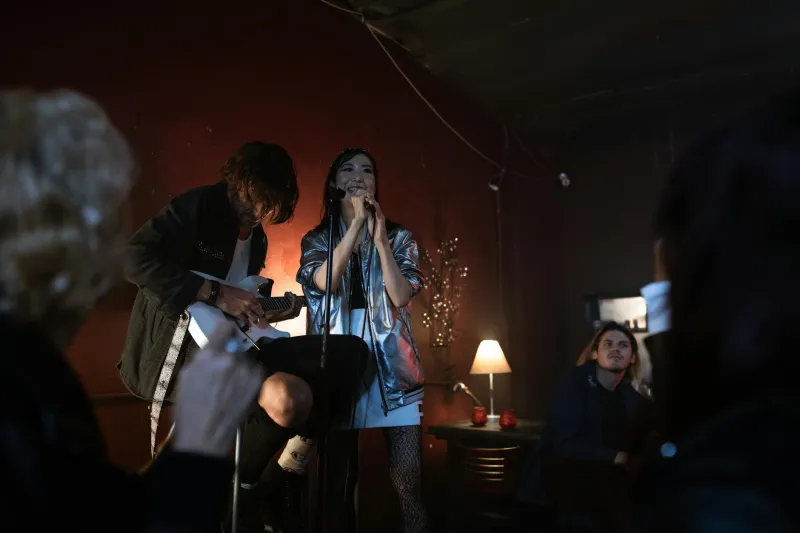
The Making of a Performer
Walk into any major arena and watch the headliner command thousands, and you're witnessing the end result of countless nights in Britain's most unassuming spaces. That confident stride, the way they read a room, the instinct for when to lean into the silence—none of it happens overnight, and very little of it happens in a bedroom studio.
The real education takes place in venues you'd walk past without a second glance. The Windmill in Brixton, where condensation drips from the ceiling onto the mixing desk. The Deaf Institute in Manchester, tucked above a café with a stage barely big enough for a drum kit. These aren't just venues—they're laboratories where artists experiment with who they want to become.
"You can't learn stage presence from a YouTube tutorial," explains Sarah Chen, who's been booking acts at Liverpool's The Shipping Forecast for eight years. "It's about reading the room when someone's having a conversation at the bar during your quiet song, or knowing how to win back a crowd when your guitar string snaps mid-chorus. That only comes from doing it, again and again, in front of real people who aren't your mates."
The Ecosystem of Discovery
Britain's grassroots circuit operates like an intricate ecosystem. Artists typically start at open mic nights—The Grace in Islington, Ronnie Scott's Monday sessions, or The Boileroom in Guildford. Those who connect with audiences graduate to support slots, then headline shows, building followings one converted punter at a time.
Take Fontaines D.C., who spent months honing their sound in Dublin's small venues before crossing the Irish Sea to tackle Britain's circuit. Their breakthrough didn't happen in a major label boardroom—it crystallised in sweaty rooms where they learned to channel their literary post-punk into something that could move bodies as well as minds.
The geography matters too. London's venues offer volume and variety, but cities like Bristol, Glasgow, and Leeds provide something different—communities where artists can develop without the capital's relentless pace. The Louisiana in Bristol has launched careers precisely because it gives artists space to grow without the pressure of immediate commercial success.
More Than Just Stages
These venues serve functions that streaming algorithms and social media followers can't replicate. They're networking hubs where artists meet collaborators, learn from peers, and build the relationships that sustain careers. They're also reality checks—places where artistic pretensions meet actual audiences who'll vote with their feet if the music doesn't connect.
"I've seen brilliant bedroom producers die on their arse because they'd never performed live," notes Marcus Wright, sound engineer at Birmingham's The Sunflower Lounge. "And I've seen average singers become magnetic performers because they understood how to use the room, work with the acoustics, make eye contact. You can't fake that connection."
The technical education is invaluable too. Learning to work with different PA systems, adapting to various room sizes, understanding how sound bounces off brick walls versus plasterboard—these skills separate professional performers from talented amateurs.
The Survival Challenge
Yet this crucial infrastructure faces existential threats. Rising rents have claimed legendary venues like The Astoria and The Garage, while noise complaints and licensing restrictions squeeze those that remain. The pandemic shuttered many permanently, and those that survived emerged to face energy costs that can exceed monthly rent.
"We're not running a business, we're running a public service," says Tom Harrison, who manages The Craufurd Arms in Milton Keynes. "But public services need funding, and we're expected to survive on £3 pints and door money."
The numbers tell a stark story. Music Venue Trust data shows that Britain loses grassroots venues at a rate of two per week, each closure severing connections in the ecosystem that took decades to build.
Fighting Back
But the scene's resilience shouldn't be underestimated. Venues are adapting, diversifying income streams through day-time events, recording services, and community partnerships. The Agent of Change principle—requiring new developments near existing venues to implement sound insulation—offers legal protection. Meanwhile, initiatives like the Grassroots Music Venues Fund provide lifelines during crises.
Artists are stepping up too. Established acts increasingly prioritise grassroots venues for warm-up shows, bringing guaranteed crowds that keep these spaces viable. The understanding is mutual—today's headliners remember where they learned their craft.
The Future Sound
What emerges from Britain's grassroots circuit isn't just individual success stories—it's the country's musical identity. The conversational intimacy of British indie, the way UK hip-hop artists engage crowds, the theatrical elements in our rock music—these characteristics develop in small rooms where artists must connect directly with audiences.
As streaming democratises music distribution and social media enables direct fan relationships, the role of grassroots venues becomes more, not less, crucial. They remain the space where digital presence transforms into physical charisma, where songs become performances, where artists become performers.
The next time you're watching someone own a festival stage, remember they probably learned how to do that in a room smaller than your living room, in front of thirty people who'd never heard their name. That's where the magic really begins.