Classroom Rebels: How Britain's Self-Made Musicians Are Writing Their Own Rules
The Death of the Old Playbook
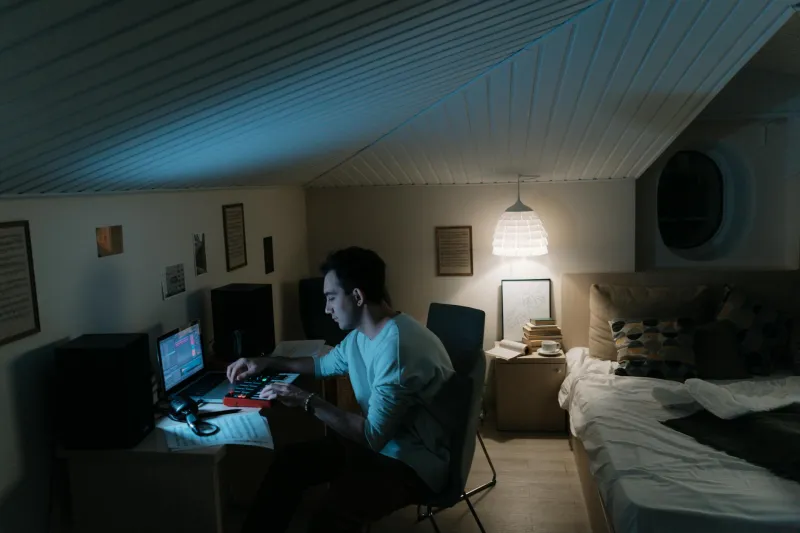
Forget everything you thought you knew about making it in music. While conservatoires churn out technically proficient graduates clutching £50,000 debt certificates, a parallel universe of self-taught British musicians is quietly dismantling the industry's traditional power structures. They're learning copyright law from YouTube videos, mastering mixing software in their bedrooms, and negotiating sync deals over WhatsApp.
The numbers tell a fascinating story. According to recent industry data, nearly 60% of successful independent artists in the UK have never set foot inside a formal music institution. They're the product of bedroom studios, online tutorials, and an almost militant determination to control every aspect of their creative output.
Beyond the Bedroom: Building Business Acumen
What sets this generation apart isn't just their musical abilities—it's their entrepreneurial sophistication. Take Manchester's emerging electronic scene, where artists are forming their own mini-collectives, pooling resources for equipment, and sharing knowledge about everything from VAT registration to social media algorithms.
These musicians understand something their formally educated peers often miss: in today's landscape, talent without business sense is just expensive hobby time. They're teaching themselves contract law, studying streaming economics, and building direct relationships with playlist curators. It's not glamorous, but it's effective.
The traditional route—get signed, let the label handle the business—feels increasingly quaint to artists who've grown up watching major labels fumble digital transitions and exploit streaming revenue splits.
The University of YouTube
Platforms like YouTube, Skillshare, and even TikTok have become unofficial music business schools. Young artists are learning mixing techniques from bedroom producers in Glasgow, copyright basics from solicitors in Birmingham, and marketing strategies from successful independents worldwide.
This democratisation of knowledge has created something unprecedented: a generation of musicians who understand their industry from the ground up. They know why sync licensing matters, how publishing splits work, and what questions to ask when someone offers them a deal.
Community Over Competition
Perhaps most importantly, these self-taught artists are building supportive networks rather than competing for limited opportunities. Online Discord servers dedicated to specific genres have become informal business schools, where established artists mentor newcomers and everyone shares resources.
The old model relied on scarcity—limited studio time, expensive equipment, gatekeepers controlling access. The new model thrives on abundance—infinite digital tools, global distribution platforms, and communities willing to share knowledge freely.
Redefining Success
Success for these artists doesn't mean major label contracts or Radio 1 playlists. It means sustainable income streams, creative control, and the ability to make music on their own terms. They're building careers that can weather industry upheavals because they own every piece of their operation.
This shift represents more than just changing technology—it's a fundamental reimagining of what a music career can look like. The bedroom producers of today are becoming the industry leaders of tomorrow, and they're writing the rules as they go.