The Phoenix Sessions: What Really Happens When British Musicians Choose to Come Back
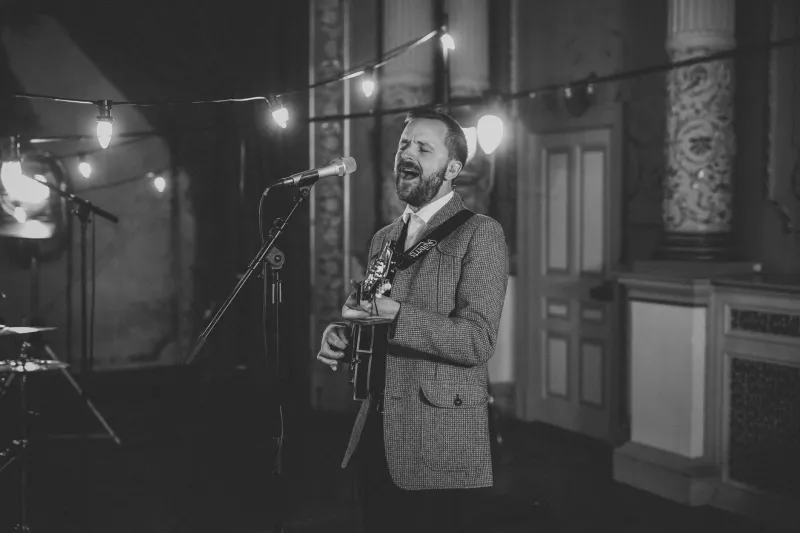
The Quiet Before the Storm
There's a particular kind of silence that follows a musician's exit from the scene. Not the dramatic, headline-grabbing kind that comes with public feuds or spectacular burnouts, but the gentle fade that happens when someone simply stops showing up. In Britain's music landscape, these quiet departures are more common than we'd like to admit – and the returns, when they happen, often carry stories that reshape everything we thought we knew about artistic resilience.
Sarah Matthews, a folk singer from Brighton who disappeared from the circuit for three years, puts it simply: "I didn't announce I was leaving. I just... didn't book the next gig." Her story isn't unique. Across the UK, from the indie venues of Manchester to the jazz clubs of Edinburgh, artists regularly step back from performing, carrying with them reasons as varied as the music they make.
The Weight of Expectation
What drives British musicians away from the stage isn't always the obvious culprits of industry pressure or financial strain. Often, it's something more subtle – the accumulated weight of small disappointments, the gradual erosion of joy in something that once felt effortless. Tom Bradley, a singer-songwriter from Liverpool who took a five-year hiatus after his debut album's lukewarm reception, describes it as "death by a thousand paper cuts."
"Every empty venue, every half-hearted review, every time someone asked 'when's the next album coming' – it all adds up," Bradley explains. "Eventually, the thought of picking up my guitar made me feel physically sick."
This isn't the dramatic narrative we're used to hearing about artistic struggles. There are no tales of excess or spectacular meltdowns, just the quiet accumulation of doubt that can silence even the most passionate performers. The British music scene, for all its celebrated resilience and community spirit, isn't always equipped to recognise these subtler forms of artistic burnout.
The Wilderness Years
What happens during the absence varies wildly. Some artists, like Matthews, threw themselves into entirely different careers – she became a primary school teacher, finding solace in the structured rhythms of the academic year. Others, like Bradley, never fully stopped making music but kept it private, writing songs in bedrooms and spare rooms that no one else would hear for years.
"I kept writing because I had to," Bradley says. "But I convinced myself it was just for me. The idea that anyone else might want to hear it felt impossible."
This period of creative isolation, whilst painful, often becomes the crucible for artistic transformation. Away from the expectations of audiences and industry professionals, musicians frequently rediscover what drew them to music in the first place. They write differently, freed from the pressure to create something commercially viable or critically acclaimed.
The Moment of Recognition
The decision to return rarely happens overnight. It's usually preceded by months or years of small moments – a song that demands to be shared, a chance encounter that reminds them why they started, or simply the gradual realisation that the fear of performing has become smaller than the regret of not trying.
For Matthews, the turning point came during a school assembly where she performed for the children. "Seeing their faces light up reminded me that music isn't about critics or record sales," she recalls. "It's about connection. I'd forgotten that."
Bradley's return began even more quietly – with a single open mic night in a pub he'd never visited before, using a different name. "I needed to know if I could still do it without the baggage of who I used to be," he explains. "That first song felt like learning to walk again."
The Community Response
How the British music community receives returning artists varies dramatically depending on the scene and the circumstances of their departure. Some find that their absence has created a kind of mythology around their work, with old fans eager to welcome them back. Others discover they're starting from scratch, their previous reputation having faded during their time away.
"The scene had moved on without me," admits Jessica Chen, a electronic producer from London who returned after a two-year break following her mother's death. "New venues, new faces, new sounds. Part of me was devastated, but part of me was relieved. I could be whoever I wanted to be."
The support networks within British music – from grassroots venues to artist collectives – play a crucial role in these comeback stories. The best examples offer returning artists space to rediscover their voice without pressure, understanding that the journey back to the stage is as important as the destination.
Transformed by Absence
What emerges from these stories is a pattern of transformation that goes far deeper than simply overcoming stage fright or rebuilding confidence. Artists who return after significant breaks often display a clarity of purpose that wasn't present in their earlier work. They know why they're there, what they want to say, and crucially, what they don't need to prove anymore.
"I'm not trying to be the next big thing," Matthews reflects. "I'm just trying to be present with the music and with the audience. That's enough."
This shift in perspective often translates into more authentic, emotionally resonant performances. Audiences can sense the difference – there's a groundedness to these artists that comes from having chosen music again, rather than simply continuing out of habit or obligation.
The Ongoing Journey
The return to performing doesn't mark the end of these artists' journeys – it marks the beginning of a new chapter characterised by intentionality rather than momentum. They book fewer gigs but choose them more carefully. They write less frequently but with greater purpose. They've learned to recognise the warning signs that led to their initial departure and have developed strategies for maintaining their artistic wellbeing.
As Britain's music scene continues to evolve, these comeback stories offer valuable lessons about sustainability and authenticity in artistic careers. They remind us that stepping away isn't always a sign of failure – sometimes it's the bravest thing an artist can do, and the first step toward finding their true voice.