Open Sky Opportunities: The Festival Circuit Revolution Transforming Independent Music Careers
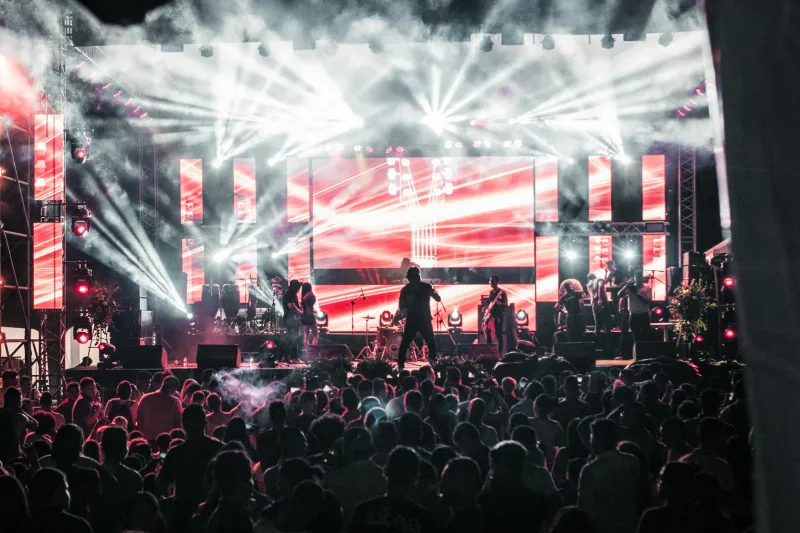
The muddy fields of Britain have become something extraordinary. Where once festival stages were reserved for chart-toppers and industry darlings, today's programmers are taking bold risks on artists who've never signed a record deal, never had a manager, and certainly never played to crowds larger than their local pub's Saturday night regulars.
The Great Democratisation
This shift represents more than just changing musical tastes—it's a fundamental reimagining of how talent gets discovered and nurtured in Britain. Festival directors across the country are recognising that authenticity often trumps polish, and that audiences are increasingly hungry for artists with genuine stories to tell.
Take Latitude Festival's emerging artist programme, which has become a blueprint for other events. Rather than simply booking the safest bets, they actively scout SoundCloud uploads, Instagram performances, and local venue recommendations. The result? Stages filled with artists who bring an urgency and passion that can't be manufactured in boardrooms.
"There's something magical about watching an artist experience their first proper crowd," explains Sarah Mitchell, who programmes several boutique festivals across the South West. "These performers aren't jaded by years on the circuit. They're still amazed that people want to hear their music, and that energy is infectious."
Breaking Through the Venue Ceiling
For independent artists, the transition from intimate indoor spaces to expansive festival grounds represents more than just a change of scenery—it's often a career-defining moment. The acoustics are different, the audience dynamics shift dramatically, and suddenly you're competing not just with other performers but with food stalls, wandering crowds, and the great British weather.
Jamie Thompson, whose electronic project Coastal Drift went from bedroom recordings to festival main stages in just eighteen months, describes the transformation: "Playing to thirty people in a basement in Manchester prepared me for the intimacy, but nothing prepares you for that moment when you look out and see hundreds of faces you've never met, all choosing to spend their Saturday afternoon with your music."
The logistical challenges are substantial. Unlike club gigs where you can rely on familiar sound systems and predictable acoustics, festivals demand adaptability. Your carefully crafted bedroom mix might need complete reimagining when it's competing with wind, distant stages, and crowds that aren't necessarily there specifically for you.
The Booking Game Decoded
Getting onto festival lineups requires a different approach than traditional venue booking. Festival programmers operate on longer timelines, often finalising lineups six to twelve months in advance. This means artists need to think strategically about their development trajectory, building momentum well before submission deadlines.
The most successful approaches combine digital presence with real-world networking. Programmers want to see evidence that an artist can handle live performance pressure, but they also need to justify their choices to festival directors and sponsors. This means having professional recordings, compelling visual content, and demonstrable audience engagement.
"We're not just booking individual acts anymore," notes Tom Bradley, who curates lineups for several folk festivals across Yorkshire. "We're crafting experiences. An artist who can contribute to the festival's overall narrative—whether that's through their music, their story, or their stage presence—will always catch our attention over someone who's technically proficient but forgettable."
The Credibility Currency
In Britain's music ecosystem, festival appearances carry unique weight. While a sold-out show at The Cavern Club or King Tut's might impress industry insiders, festival slots suggest broader appeal. They indicate an artist can connect with diverse audiences, handle professional production standards, and contribute to larger cultural conversations.
This credibility extends beyond music industry recognition. Festival appearances often lead to radio play, playlist inclusions, and booking opportunities at venues that might have previously seemed inaccessible. The festival circuit creates a virtuous cycle where each appearance potentially unlocks the next level of opportunity.
Weather, Crowds, and Unexpected Magic
Performing outdoors introduces variables that can make or break a set. Britain's notoriously unpredictable weather means artists need contingency plans for everything from torrential rain to blazing sunshine. But these challenges often create the most memorable moments.
Many artists describe festival performances as uniquely liberating. Without the constraints of club curfews or noise complaints, there's freedom to experiment, extend jams, and respond to crowd energy in ways that indoor venues don't always permit.
Practical Pathways Forward
For emerging artists eyeing festival stages, the path forward requires patience and strategy. Start with smaller, local festivals where competition is less intense and programmers more accessible. Build relationships with other artists already on the circuit—festival lineups are often shaped by recommendations from trusted performers.
Document everything. Festival programmers need to visualise how an artist will work on their stages, so high-quality live footage, professional photos, and well-produced recordings are essential. But authenticity matters more than perfection—programmers can spot manufactured personas from miles away.
Most importantly, remember that festival audiences are there for experiences, not just music. Artists who can create moments—whether through storytelling, audience interaction, or pure sonic adventure—will always find their place under Britain's open skies.
The revolution is already underway. The question isn't whether independent artists can break into the festival circuit, but how quickly they can adapt to this new landscape of opportunity.