The New Music Economy: How Britain's Indies Are Building Careers Beyond the Charts
The Death of the Old Guard
The days of waiting for a record label to validate your career are well and truly over. Across Britain, a new generation of musicians is proving that financial success and artistic integrity aren't mutually exclusive. They're not just making music—they're architecting entire ecosystems around their creativity.
Take Manchester-based singer-songwriter Emma Blackwood, who earns more from her monthly Patreon subscribers than she ever did from streaming royalties. "I realised I was competing with millions of tracks for fractions of a penny," she explains. "Now I have 400 people who pay £5 a month for exclusive content, early access, and virtual songwriting sessions. That's more reliable income than any playlist placement ever gave me."
The Portfolio Musician
The modern British independent artist resembles a creative entrepreneur more than the starving artist stereotype suggests. They're diversifying income streams with the strategic thinking of a business consultant and the passion of a true artist.
Sync licensing has become the golden ticket for many. Birmingham's indie-electronic duo Neon Compass landed their first major sync deal with a Netflix series after strategically crafting instrumental versions of their tracks. "We spent two years understanding what music supervisors actually wanted," says band member James Liu. "It's not about dumbing down your sound—it's about creating versions that serve different purposes."
The numbers speak volumes. According to recent industry data, sync licensing revenue for UK independent artists increased by 34% in 2023, with streaming platforms and advertising agencies actively seeking fresh British talent.
Teaching the Craft
Perhaps the most surprising revenue stream emerging across Britain is education. Musicians are discovering that sharing their knowledge can be as lucrative as performing.
London-based producer Sarah Chen runs monthly beat-making workshops from her Hackney studio, charging £75 per session for groups of eight. "I was already helping friends understand Logic Pro," she says. "Turning that into a structured workshop was natural. Now it covers my studio rent and gives me a platform to test new ideas with fresh ears."
The workshop economy extends beyond technical skills. Liverpool folk artist Tom Hartley offers songwriting retreats in the Lake District, combining his love for hiking with musical mentorship. At £200 per weekend participant, these retreats sell out months in advance whilst providing him with a sustainable income that doesn't rely on gig frequency.
The Subscription Revolution
Subscription platforms have transformed how British artists think about fan relationships. Rather than chasing viral moments, they're building sustainable communities.
Glasgow's indie-pop trio Silver Thread generates £1,800 monthly through a tiered Patreon offering everything from behind-the-scenes content to personalised voice messages. "It's like having a direct relationship with your audience," explains vocalist Katie Morrison. "We know our supporters by name. They're invested in our journey, not just our hits."
Bandcamp's subscription service has proven equally valuable for experimental artists. Electronic musician David Park from Cardiff earns £600 monthly from 200 subscribers who receive new tracks, stems, and production notes. "My music doesn't fit Spotify playlists, but my subscribers appreciate the complexity," he notes.
Beyond the Gig Economy
While live performance remains crucial, savvy British artists are reimagining what constitutes a 'gig'. House concerts, corporate workshops, and private events are proving more lucrative than traditional venue bookings.
Yorkshire-based acoustic duo Moorland Folk charges £500 for intimate house concerts, playing for 20-30 people in living rooms across Northern England. "The atmosphere is incredible, the pay is better than most venues, and we sell more merchandise," says guitarist Alex Thompson. "Plus, the host usually provides dinner."
The Digital Storefront
Direct-to-fan sales have revolutionised merchandise strategies. Artists are moving beyond t-shirts to create unique experiences and products that reflect their brand.
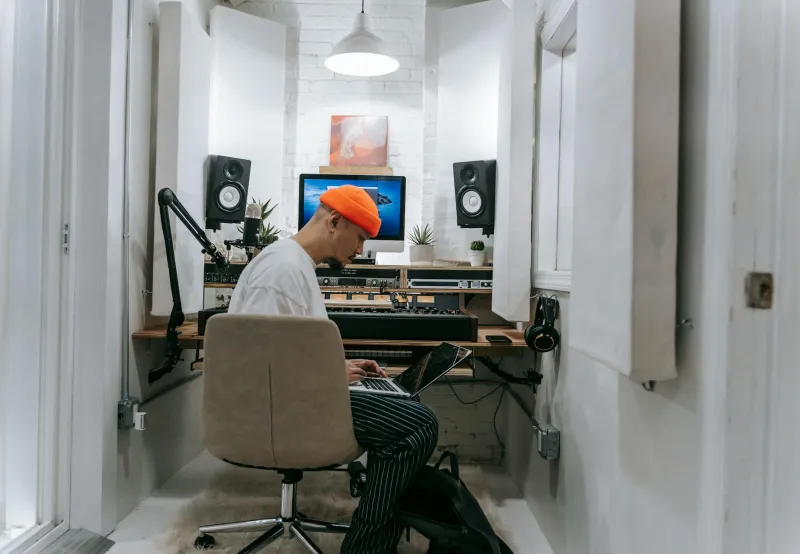
Brighton singer-songwriter Lily Chen sells handwritten lyric sheets, personalised demo recordings, and even Zoom coffee chats with fans. Her most popular offering? £30 custom lullabies for new parents, recorded in her home studio. "I've written over 200 lullabies this year," she laughs. "It's steady income and genuinely meaningful work."
Financial Literacy as Creative Practice
The most successful independent artists treat business skills as part of their creative practice. They understand royalty splits, publishing rights, and tax implications with the same dedication they apply to chord progressions.
"Learning about mechanical royalties was as important as learning to play guitar," says Newcastle rapper MC Flux, who now earns significant income from covers of his tracks on social media platforms. "Every stream, every cover, every sync—it all adds up when you understand the system."
The Future Landscape
As traditional industry gatekeepers continue to lose relevance, Britain's independent musicians are proving that creativity and commerce can coexist beautifully. They're not just adapting to change—they're driving it.
The message is clear: in today's music economy, the most sustainable career isn't built on hoping for a hit. It's constructed through understanding your audience, diversifying income streams, and treating your artistry as both passion and profession.
For Britain's independent musicians, the boardroom isn't separate from the bedroom studio—it's an extension of it. And that's exactly where the future of music lives.