From Pavement to Spotlight: The Secret Strategy Behind Britain's Busking Success Stories
The Unsung Conservatory of the Streets
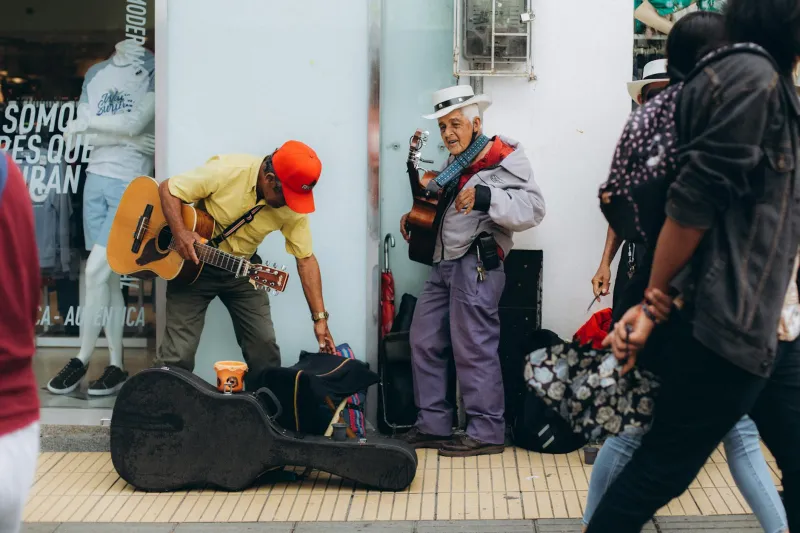
While music colleges charge thousands and open mic nights offer fleeting five-minute slots, Britain's pavements provide something neither can: unlimited rehearsal time with real audiences. The busking scene has quietly become one of the most effective artist development programmes in the country, churning out performers who understand crowd psychology, weather resilience, and the brutal honesty of public indifference.
Take Manchester's Northern Quarter, where on any given Saturday, you'll find artists treating the cobblestones like their personal laboratory. They're not just playing for coins – they're conducting market research, testing new material, and building the kind of stage presence that can't be taught in classrooms.
The Psychology of Pavement Performance
There's something uniquely revealing about street performance that separates it from traditional venues. When someone stops to listen whilst rushing to catch a tram, they're making a genuine choice. No tickets were purchased, no friends dragged them along – it's pure musical magnetism at work.
This creates what many veteran buskers call 'the honesty filter'. Your material either connects or it doesn't. Your stage presence either captivates or people walk on by. It's immediate feedback without the politeness buffer that comes with paying audiences.
The psychological pressure is intense but transformative. Artists learn to read micro-expressions, adjust their setlist based on crowd demographics, and develop the confidence that comes from knowing they can hold attention in the most challenging environment possible.
Navigating the Red Tape Maze
Britain's busking landscape is a patchwork of regulations that would confuse a constitutional lawyer. Each council operates under different rules – some require licences, others operate on first-come-first-served pitch systems, and a few maintain outright bans in certain areas.
London's busking scene operates under Transport for London's licensing scheme, where performers audition for the right to play in tube stations. It's become so competitive that some artists spend months preparing for what amounts to a three-minute audition that could unlock access to millions of daily commuters.
Meanwhile, cities like Brighton embrace a more laissez-faire approach, creating organic ecosystems where performers self-regulate and develop informal hierarchies. The pier becomes a testing ground for holiday crowds, whilst the Lanes attract tourists seeking authentic experiences.
The Digital Amplification Effect
Modern buskers aren't just performing for physical audiences – they're creating content for digital platforms simultaneously. A well-positioned smartphone can turn a street performance into viral social media content, reaching thousands beyond the immediate crowd.
This dual-purpose approach has revolutionised how artists think about busking. They're not just earning pocket money; they're building online followings, creating shareable moments, and documenting their journey from street to stage.
Some performers have mastered the art of creating 'Instagram moments' – visually striking setups that encourage audience photography and social sharing. A violin case filled with flower petals, LED-lit instruments for evening performances, or costume changes between songs all contribute to the viral potential of each session.
From Pitch to Platform: Success Stories
The graduation stories are becoming increasingly common. Artists who spent months or years perfecting their craft on Britain's streets are finding themselves on festival stages, in recording studios, and signing management deals.
What industry professionals consistently note about former buskers is their unshakeable stage presence and audience connection skills. They've already mastered the art of winning over skeptical crowds – festival audiences seem easy by comparison.
The street provides something that traditional music education often lacks: real-world application under pressure. These artists have dealt with hecklers, weather changes, police interactions, and equipment failures whilst maintaining their performance. They've learned to read rooms (or in this case, streets) and adapt accordingly.
The Economics of Pavement Performance
Whilst the romantic notion of busking often focuses on artistic expression, the financial reality is more complex. Successful street performers treat their pitches like small businesses, tracking peak hours, optimal locations, and seasonal variations.
Weekend afternoons in tourist areas typically yield the highest returns, whilst commuter routes work better during rush hours with faster, more energetic sets. Weather becomes a crucial factor – not just for comfort, but for audience behaviour and acoustic conditions.
Some performers have developed sophisticated systems, rotating between locations throughout the week and building regular audiences who specifically seek them out. It's relationship marketing in its purest form.
The Future of Street Performance
As Britain's high streets evolve and digital payments become standard, the busking world is adapting. QR codes for digital tips, social media integration, and hybrid online-offline performances are becoming commonplace.
Local councils are beginning to recognise the cultural and economic value that street performers bring to their areas. Well-curated busking scenes attract tourists, create vibrant atmospheres, and support local creative economies.
The artists who understand this evolution – who see busking not as a last resort but as a strategic career move – are the ones transforming pavements into launching pads. They're proving that sometimes the most direct route to success isn't through industry gatekeepers, but through the honest judgment of strangers on the street.