The DIY Revolution: How Home Recording Transformed Britain's Independent Music Landscape
The DIY Revolution: How Home Recording Transformed Britain's Independent Music Landscape
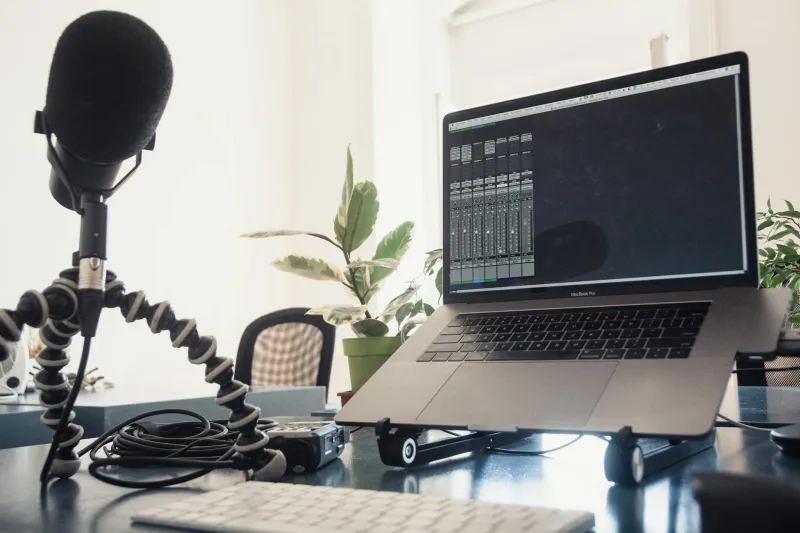
The familiar hum of a laptop fan mixing with the gentle buzz of a USB microphone has become the soundtrack to Britain's musical revolution. In flats from Glasgow to Brighton, aspiring musicians are transforming their living spaces into creative sanctuaries, proving that world-class recordings can emerge from the most unlikely corners of the UK.
The Great Democratisation
Ten years ago, producing a professional-sounding EP required significant financial investment and industry connections. Today, a decent USB interface, a reliable microphone, and free software like GarageBand or Reaper can deliver results that rival traditional studio recordings. This shift has fundamentally altered the British music landscape, removing traditional gatekeepers and placing creative control directly into artists' hands.
The numbers tell a compelling story. Platforms like Bandcamp report that UK-based independent releases have increased by over 300% in the past five years, with bedroom producers accounting for a significant portion of this growth. This isn't merely about quantity – the quality has improved dramatically as well, with home-produced tracks regularly appearing on BBC Radio 6 Music and finding their way onto festival line-ups across the country.
The Essential Toolkit
Modern home recording setups vary wildly in complexity and cost, but successful British independents share certain common elements. A reliable audio interface serves as the foundation – the Focusrite Scarlett series remains popular for good reason, offering professional connectivity at accessible price points.
Microphone choice often reflects both budget and genre preferences. Dynamic mics like the Shure SM58 excel for rock and folk vocals, whilst condenser microphones such as the Audio-Technica AT2020 capture the nuanced detail that electronic and indie artists often seek. Many successful bedroom producers emphasise that understanding your equipment trumps owning expensive gear – a £100 microphone in skilled hands will outperform a £500 model used poorly.
Software selection has become increasingly personal. Logic Pro X dominates amongst Mac users, whilst PC-based artists often gravitate towards Cubase or the increasingly sophisticated Reaper. Free options like GarageBand provide surprisingly professional results, particularly for artists just beginning their recording journey.
The Multi-Hat Challenge
Perhaps the greatest hurdle facing independent artists isn't technical but psychological. The transition from pure creativity to wearing multiple professional hats simultaneously can feel overwhelming. One moment you're crafting lyrics in a creative flow state, the next you're troubleshooting audio latency issues or researching digital distribution platforms.
Many successful British independents develop what could be called "creative compartmentalisation" – dedicating specific days or hours to different aspects of the process. Mondays might focus on songwriting, whilst Fridays handle mixing and post-production work. This structured approach prevents the technical demands from overwhelming the creative spark that initiated the project.
The emotional journey proves equally challenging. Without external validation from producers or label executives, self-doubt can creep in during the lonely hours spent perfecting a mix. British independent artists often describe the importance of trusted friends who can provide honest feedback without the commercial pressures that traditional industry relationships sometimes create.
Distribution in the Digital Age
The final hurdle – getting finished recordings to potential listeners – has transformed completely. Digital distribution services like CD Baby, TuneCore, and DistroKid can place independent releases on Spotify, Apple Music, and other major platforms for minimal upfront costs. This accessibility has created both opportunities and challenges.
The positive aspect is obvious: geographical location no longer determines access to global audiences. A musician in rural Wales can reach listeners in Tokyo as easily as someone recording in London's most expensive studios. However, this democratisation has also created intense competition, with thousands of new releases appearing daily across streaming platforms.
Successful British independents often emphasise the importance of building authentic connections with listeners rather than chasing streaming numbers. Social media platforms, particularly Instagram and TikTok, have become crucial tools for sharing the creative process and building anticipation around new releases.
The Creative Freedom Factor
Perhaps the most significant advantage of independent production lies in creative freedom. Without label executives or producers influencing artistic decisions, musicians can explore experimental sounds, unconventional song structures, and personal themes that might not align with commercial expectations.
This freedom has contributed to the distinctive character of British independent music. From the atmospheric folk-electronic hybrids emerging from Scotland's bedroom studios to the genre-blending hip-hop coming out of Manchester's spare rooms, independent production has encouraged artistic risk-taking that enriches the entire musical landscape.
Looking Forward
The trajectory seems clear: home recording technology will continue improving whilst costs decrease. Cloud-based collaboration tools are already allowing musicians to work together across distances, potentially creating new forms of creative partnership that transcend traditional geographical limitations.
For aspiring British musicians, the message is encouraging. The tools exist, the platforms are accessible, and the audience is waiting. The journey from bedroom demo to festival stage has never been more achievable – it simply requires dedication, creativity, and the courage to embrace both the technical and artistic challenges that independent production presents.
The revolution is already underway, humming quietly in bedrooms across Britain, one USB microphone at a time.