Breaking the Mould: Why DIY Musicians Are Redefining Success Beyond the Major Label Machine
The Death of the Old Guard
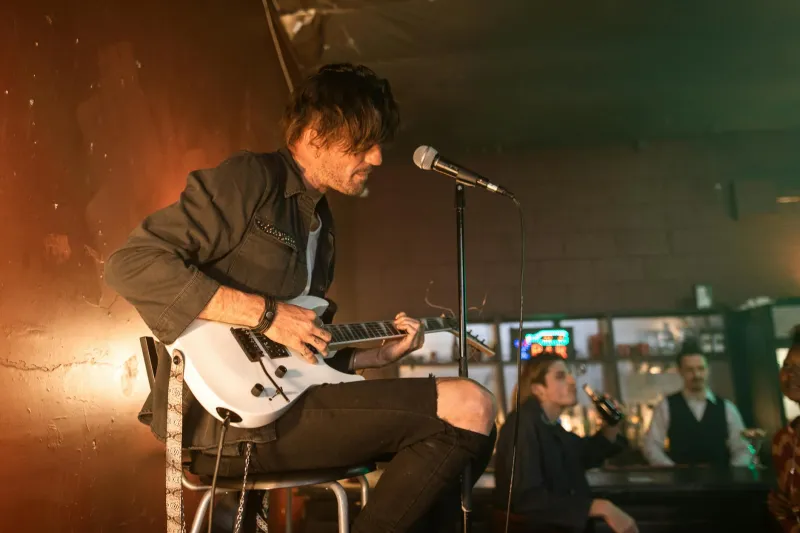
Walk into any pub in Manchester, Bristol, or even the smallest market town in Yorkshire, and you'll witness something remarkable happening. Young artists are taking to makeshift stages with nothing but their talent, a guitar, and an unshakeable belief that they don't need a record executive's approval to make it.
The music industry as we knew it is dying, and frankly, good riddance.
For too long, the gatekeepers have dictated what we should listen to, how artists should sound, and when they're 'ready' for success. But 2024 has become the year where UK musicians are saying 'bollocks to that' and carving their own path through the creative wilderness.
From Bedroom to Spotlight
The journey typically starts the same way for most independent artists today. A laptop, some basic recording software (often free), and endless nights perfecting their craft whilst their mates are down the local. It's not glamorous, but it's real.
Take the explosion of home-recorded tracks flooding platforms like Bandcamp and SoundCloud. These aren't polished, industry-sanctioned releases – they're raw, honest expressions of creativity that connect with listeners on a level that manufactured pop simply cannot reach.
The beauty lies in the imperfection. A slight vocal crack, the neighbour's dog barking in the background, the passion that comes through despite (or perhaps because of) the lo-fi production values. This authenticity resonates with audiences who've grown tired of over-produced, committee-written tracks.
Social Media: The Great Equaliser
Platforms like TikTok, Instagram, and YouTube have fundamentally shifted the power dynamic. An artist in Newcastle can build a following of thousands without ever stepping foot in a London recording studio. They're creating their own narrative, sharing their journey, and building genuine relationships with fans.
But here's where it gets interesting – the most successful independent artists aren't just posting random content. They're strategic storytellers, sharing the highs and lows of their creative process, the inspiration behind their songs, and the unglamorous reality of trying to make it as a musician in modern Britain.
The algorithm doesn't care about your record label; it cares about engagement, authenticity, and consistency. Artists who understand this are building sustainable careers without traditional industry support.
The Venue Circuit Revolution
While major artists are playing to crowds of 50,000 in soulless arenas, independent musicians are rediscovering the magic of intimate venues. From the legendary Cavern Club in Liverpool to tiny venues above pubs in Cornwall, these spaces are becoming incubators for the next generation of British talent.
The progression is organic: open mic nights lead to support slots, which lead to headlining smaller venues, then graduating to mid-sized spaces. Each step builds a loyal fanbase who feel personally invested in the artist's journey.
Venue owners are increasingly recognising the value of nurturing local talent. They're offering better deals, providing equipment, and creating communities around their spaces. It's a symbiotic relationship that benefits everyone – artists get platforms to perform, venues get authentic entertainment, and audiences discover their new favourite band before they blow up.
Creative Vision Over Commercial Pressure
Perhaps the most significant advantage independent artists have is creative freedom. Without A&R executives breathing down their necks, they can experiment, take risks, and develop their unique voice without compromise.
This creative liberty has led to some genuinely innovative music coming out of the UK scene. Artists are blending genres, incorporating unconventional instruments, and tackling subjects that major labels might consider 'unmarketable'.
The result? A diverse, vibrant musical landscape that actually reflects the complexity and creativity of modern Britain, rather than what focus groups think will sell.
The Economics of Independence
Let's be brutally honest – making money as an independent artist is challenging. But the financial model is changing. Rather than relying on record sales (which barely benefit artists anyway), successful independents are diversifying their income streams.
Merchandise, direct fan support through platforms like Patreon, sync licensing for films and adverts, and live performances all contribute to a sustainable income. Some artists are even offering exclusive content, virtual concerts, or one-to-one sessions with fans.
The key is building a dedicated fanbase who want to support the artist directly, rather than hoping for radio play and chart positions.
Looking Forward
The independent music scene in the UK isn't just surviving – it's thriving. Artists are proving that with creativity, persistence, and genuine connection with their audience, traditional industry gatekeepers become irrelevant.
This shift represents something bigger than just music. It's about authenticity in an increasingly artificial world, about community in an age of isolation, and about the power of creativity to forge its own path.
The future belongs to the artists brave enough to believe in themselves, talented enough to back it up, and smart enough to build their own ladder to success. The old rules no longer apply, and that's the most exciting thing to happen to British music in decades.