Boilers Fixed by Day, Choruses Written by Night: The Real Jobs Behind Britain's Best Unknown Musicians
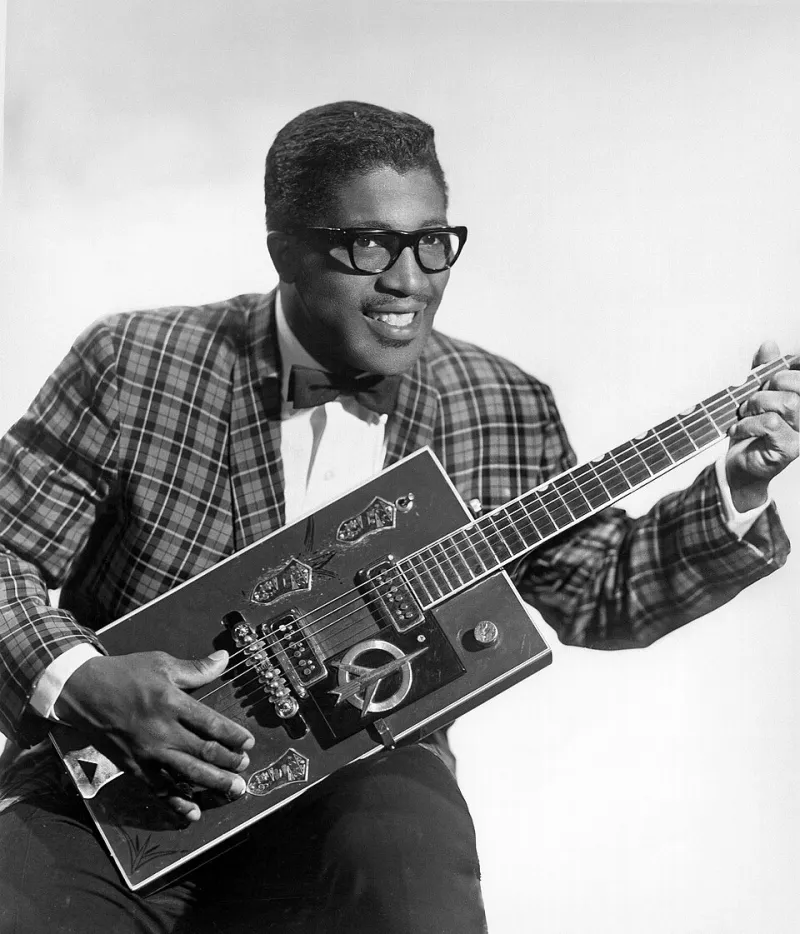
Photo: Published by Chess Records. Photographer unknown., Public domain, via Wikimedia Commons
There's a photograph doing the rounds on a music forum I lurk in: a drummer in full scrubs, cymbal bag slung over one shoulder, standing in a hospital car park at 7:15am. The caption reads, simply, 'gig was class, night shift less so.'
That's the reality for the vast majority of working musicians in this country. Not the tour bus, not the rider — the 6am alarm, the second job, the van that doubles as the weekly shop. So we decided to stop asking artists about their influences and start asking them about their Tuesdays. What follows is a portrait of five musicians whose day jobs don't just pay the bills — they've become the raw material of the music itself.
The Nurse Who Writes Ward Rounds Into Verses
Priya, 34, plays cello and sings in a folk trio based around Salford. She's also an NHS nurse with twelve years on the wards. Her songwriting is so saturated with hospital life that her bandmates have stopped noticing — a lyric about handover shifts, a chorus built on the rhythm of a heart monitor.
"You see people at their absolute worst and their absolute best within the same hour," she told me over a cuppa that had clearly gone cold. "That's better writing tuition than any course. And honestly, after a twelve-hour shift, the idea of being precious about a song is laughable. You just play it."
The economics are blunt: her nursing wage funds the van hire, the rehearsal room, the mastering. The music, at present, costs her money. She's fine with that — for now.
The Driving Instructor Who's Heard Every Story in Bradford
Malik teaches people to drive. He also fronts an indie band that packs out pub back rooms across West Yorkshire. Ask him what the two have in common and he doesn't hesitate: "Reading people. You spend forty-five minutes in a metal box with a stranger who's terrified. You learn to talk them down. That's basically stagecraft."
His band's best-known song, he admits, was written entirely between lessons, sat in a Corsa outside a test centre. The dual controls have never featured, but he's not ruling it out.
The Plumber, the Teacher and the Booking Agent Who Does It All
The other three profiles round out a pattern rather than breaking it. A plumber from Cardiff whose ballads are, in his words, "all about pipes, pressure and things bursting when you least expect it." A secondary school music teacher in Glasgow who says teaching GCSE composition sharpened her own writing more than a decade of gigging. And a booking agent in Bristol who represents bands five days a week and plays bass in one at the weekend — a man who describes his life as "being both sides of the email."
What the Maths Actually Looks Like
Here's the part nobody puts on the poster. Across all five, the average annual income from music sat somewhere between £2,000 and £6,000. Streaming, as ever, rounds to almost nothing. Live fees, after travel and soundcheck time, often land at less than minimum wage once you divide them honestly.
And yet none of them are quitting. Because the day job, it turns out, isn't the thing killing the dream. It's the thing quietly funding it — and, more surprisingly, feeding it. The ward, the Corsa, the boiler cupboard: these are the places the songs come from.
Maybe the healthiest thing the UK music scene could do this year is stop pretending the day job is a failure state. For most of the musicians you love, it's the engine room. Raise a glass to the ones clocking in before they plug in — and maybe tip the merch table properly next time.