Eleven O'Clock and All Is Well: How the Great British Curfew Accidentally Perfected the Live Gig
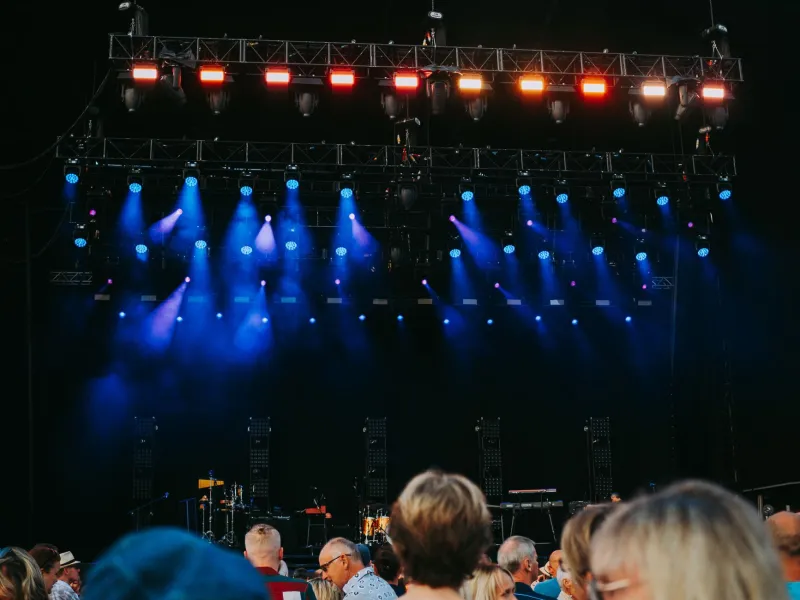
There's a moment familiar to anyone who's ever gigged in Britain. You're three songs deep, the crowd is warm, and somewhere behind the mixing desk a person has begun glancing at the wall clock with the quiet dread of a bomb-disposal expert. Because in this country, live music doesn't run on vibes. It runs on the licensing act.
The Clock Behind Every Great British Gig
Most venues in the UK are contractually obliged to pull the plug by 11pm — sometimes 11.30 if the neighbours are forgiving or the local council is feeling generous. It's not a creative decision. It's a condition of the premises licence, and venue bookers will tell you it's the single biggest constraint on their programming. A four-band bill starting at 7.30pm isn't a statement of artistic intent; it's simple arithmetic.
But here's the thing nobody says out loud: the curfew might be the best thing that ever happened to British live music.
Urgency Is a Great Producer
Talk to any seasoned promoter and they'll tell you the same thing — bands stretch to fill whatever time they're given. Give a headliner ninety minutes and they'll meander. Give them forty-five minutes because the last train to Leeds leaves at 22:47 and half the audience is already doing mental maths at the bar, and suddenly every song counts.
Some of the tightest, most electric performances in the country happen in rooms with the harshest time limits. There's no room for the twenty-minute jam, no space for the extended pause. The set has to breathe, hit, and get out. It's punk economics applied to everything from indie five-pieces to jazz trios.
The Last Train as a Member of the Band
Ask any musician who's gigged outside London and they'll tell you about the last train. It dictates stage times, soundchecks, and — crucially — setlists. A band that knows the crowd needs to be on the 22:47 will drop the slow one, skip the mid-set waffle, and save the big singalong for minute forty-two, not minute ninety.
Crowds feel it too. There's a shared, unspoken countdown running through every British gig. It's why the final chorus at a hometown show hits harder than most festival closings — everyone knows the night has edges, and edges make things precious.
Should We Fight the Curfew — or Thank It?
There's a fair argument that Britain's licensing laws strangle the late-night culture that cities like Berlin wear as a badge of honour. All-night venues, 24-hour licences, gigs that drift into dawn — we mostly don't have them, and it's fair to ask why.
But the counter-argument is sitting in every packed 200-cap room between Newcastle and Southampton. The curfew has bred a culture of concision. British bands learn early that they'll never be handed endless time, so they learn to be devastating in half an hour. That's a skill that travels — to festivals, to support slots, to arenas.
So next time the house lights snap on at 11.01 and the stewards start herding everyone towards the exits, spare a thought for the strange gift hidden inside the restriction. The clock made us like this. And honestly? The clock might be the best A&R man in the country.