The Brilliant Flames That Burnt Too Brief: Britain's Criminally Overlooked Musical Shooting Stars
The Brilliant Flames That Burnt Too Brief: Britain's Criminally Overlooked Musical Shooting Stars
There's something uniquely tragic about walking through a record shop and stumbling across a dusty album that once dominated the charts, now relegated to the bargain bin. Britain's musical landscape is littered with these ghosts – artists who burned bright enough to capture the nation's attention, only to disappear into obscurity with startling speed.
The Vanishing Act
Take Dexys Midnight Runners. Everyone remembers "Come on Eileen," but how many recall the brilliant "Geno" or the raw energy of "Searching for the Young Soul Rebels"? Kevin Rowland's band exemplifies the cruel mathematics of the music industry – one massive hit can simultaneously make and break a career, creating expectations so towering that even genuine artistic evolution feels like failure.
 Photo: Dexys Midnight Runners, via galwaycitymuseum.ie
"The problem with having a number one is that everything after becomes measured against it," explains music journalist Sarah Mitchell, who's spent decades tracking Britain's forgotten talents. "The industry doesn't know how to handle artists who refuse to repeat themselves."
This isn't just about commercial success, though. It's about artistic merit being lost to the machinery of fame. Consider The La's and their perfect, impossible album. Lee Mavers crafted something so pristine that it became his prison – he spent years trying to recapture that lightning in a bottle, while the industry moved on to easier, more predictable acts.
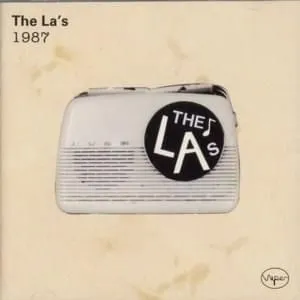 Photo: The La's, via t2.genius.com
The Geography of Forgetting
What's particularly striking is how many of these forgotten artists emerged from Britain's regional scenes. Mansun from Chester, The Sundays from Reading, Cast from Liverpool – all achieved significant success before being quietly shuffled off the cultural stage. There's a pattern here that speaks to deeper issues within the British music ecosystem.
"London has always had this gravitational pull," notes former A&R scout David Thompson. "Artists who couldn't or wouldn't relocate often found themselves forgotten faster, regardless of their talent. The infrastructure just wasn't there to sustain careers outside the capital."
This geographical bias created a particularly cruel irony. Many of these artists captured something authentically British in their music – the melancholy of suburban life, the defiance of post-industrial towns, the quiet desperation of small-city dreams. Yet the very industry that should have celebrated these voices often failed to understand or nurture them.
The Cult of Persistence
What's remarkable is how many of these "forgotten" artists maintain devoted followings decades later. The Charlatans may not trouble the charts anymore, but their gigs still sell out. Space continue to pack venues across Merseyside. These aren't nostalgia acts – they're living proof that artistic value doesn't always align with commercial staying power.
 Photo: The Charlatans, via f4.bcbits.com
"There's something beautiful about artists who keep going without the industry's blessing," says longtime fan Claire Roberts, who runs a blog dedicated to '90s British alternative music. "They're making music for the love of it, for the people who never stopped listening. That's actually quite punk rock."
This persistence challenges the narrative of failure that surrounds one-hit wonders. Perhaps the real failure lies with an industry that prioritises quick returns over artistic development, that abandons artists the moment they stop delivering predictable profits.
The Digital Resurrection
Streaming platforms have created unexpected opportunities for rediscovery. Suddenly, albums that were deleted from catalogues decades ago are accessible again. Playlists with names like "Britpop Deep Cuts" and "Forgotten Gems of the '90s" introduce new generations to these lost voices.
"I've noticed young people discovering bands like Echobelly and Sleeper through Spotify," observes music blogger James Crawford. "They don't carry the baggage of commercial failure – they just hear great songs."
This digital resurrection isn't just nostalgia – it's revealing. When stripped of the context of chart positions and industry politics, many of these "failed" artists sound remarkably fresh. Their crime wasn't lack of talent; it was existing in an industry that couldn't see past next quarter's figures.
Lessons in Lost Potential
The stories of Britain's forgotten musical talents serve as cautionary tales, but they're also celebrations. They remind us that artistic worth isn't determined by longevity in the spotlight, that some of our most precious cultural moments come from artists who blazed briefly but authentically.
Perhaps most importantly, they challenge us to listen differently. In a world where algorithms increasingly determine what we hear, there's something revolutionary about seeking out the voices that the industry forgot. These artists didn't disappear because they weren't good enough – they disappeared because an industry built on quick profits couldn't figure out how to sustain them.
Their legacy isn't failure – it's proof that great art often exists on its own terms, regardless of commercial validation. And in recognising that, we might just learn to value the shooting stars alongside the steady suns.